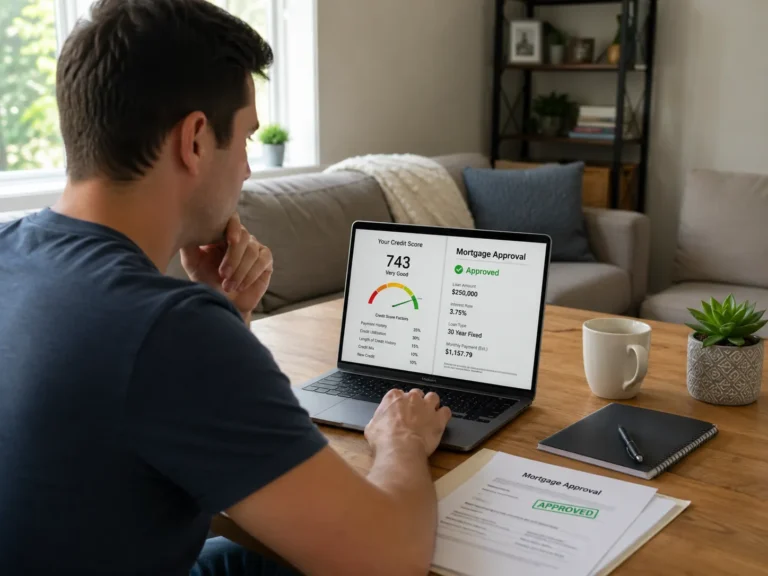
Housing affordability programs in the United States are designed to help individuals and families manage the cost of buying or renting a home. These programs come from federal, state, and local agencies, and they often focus on reducing upfront costs, lowering monthly payments, or expanding access to financing.
For many buyers, especially first-time homeowners, these programs can make homeownership more realistic.
What Are Housing Affordability Programs
Housing affordability programs are government-backed initiatives that provide financial assistance, subsidized loans, or supportive services to help people afford housing.

These programs may include:
- Down payment assistance
- Low-interest or insured mortgage loans
- Grants or subsidies
- Rental assistance programs
They are typically targeted toward low- to moderate-income households.
Major Federal Housing Programs
Several nationwide programs form the foundation of housing assistance in the U.S.
FHA Loan Program
Managed by the Federal Housing Administration, FHA loans help buyers qualify with lower down payments and more flexible credit requirements. (usa.gov)
- Down payments as low as 3.5% (fha.com)
- Designed for first-time and moderate-income buyers
- Backed by government insurance to reduce lender risk
HOME Investment Partnerships Program
This program provides funding to states and local governments to create affordable housing and assist low-income buyers. (Wikipedia)
- Supports home purchase, construction, and rehabilitation
- Focuses on low-income households
- Distributed through local housing agencies
Affordable Housing Program (AHP)
Run through Federal Home Loan Banks, AHP provides grants and subsidies for housing.
- Targets households earning 80% or less of area median income (FHFA.gov)
- Can help with down payments and closing costs
- Supports both homeownership and rental housing
Section 8 Housing Choice Voucher
Primarily for renters, this program helps low-income households afford housing.
- Typically serves households earning below 50% of median income (Wikipedia)
- Subsidizes rent payments
- Administered locally through housing authorities
Comparison of Key Housing Programs
| Program | Main Benefit | Target Group |
|---|---|---|
| FHA Loans | Low down payment | First-time buyers |
| HOME Program | Grants & development funding | Low-income households |
| AHP Grants | Subsidies & assistance | Moderate-income buyers |
| Section 8 | Rental assistance | Low-income renters |
Each program addresses affordability in a different way—ownership vs rental, upfront vs ongoing costs.
Pro Insight
Many buyers assume affordability programs are only for very low-income households. In reality, several programs extend to moderate-income buyers—especially in high-cost housing areas.
Common Eligibility Requirements
While requirements vary, most programs evaluate similar factors:
- Income limits based on area median income
- Primary residence requirement
- Credit and financial stability (for homebuyer programs)
- Citizenship or eligible residency status
Some programs also require homebuyer education courses before approval.
State and Local Assistance Programs
Beyond federal programs, each state offers its own housing support through Housing Finance Agencies (HFAs).
These may include:
- Down payment grants
- Deferred or forgivable loans
- Closing cost assistance
- First-time buyer programs
Many of these programs can be combined with federal options like FHA loans for greater benefit.

Quick Tip
Check your state housing agency first. Local programs often provide the most direct financial assistance and may have less competition than national programs.
Real World Example
A first-time buyer earning moderate income applies for:
- An FHA loan for low down payment
- A local down payment assistance program
By combining both, they reduce upfront costs significantly while keeping monthly payments manageable.
This layered approach is common in U.S. housing programs.
Common Challenges
Even with assistance, buyers may face:
- Limited program availability in certain areas
- Income caps that restrict eligibility
- Competition for grants and funding
- Additional paperwork and requirements
Understanding these early can help you plan more effectively.
Frequently Asked Questions
What are housing affordability programs
They are government-backed initiatives that help reduce the cost of buying or renting a home.
Who qualifies for these programs
Eligibility usually depends on income, location, and whether the home will be your primary residence.
Can I combine multiple programs
Yes, many buyers use both federal and local programs together.
Are there programs for renters
Yes, programs like Section 8 provide rental assistance for eligible households.
Do these programs provide free money
Most provide assistance or subsidized loans, not unrestricted cash grants. (usa.gov)
Conclusion
Housing affordability programs in the U.S. play a vital role in expanding access to homeownership and stable housing. From FHA loans to local grants, these programs offer multiple pathways to reduce costs and improve affordability.
By understanding how each program works and exploring both federal and local options, you can build a more effective strategy for securing affordable housing.
https://www.hud.gov
https://www.consumerfinance.gov
https://www.usa.gov/housing-help
https://www.fhfa.gov
This article is for general informational purposes only and does not provide legal, financial, medical, or professional advice. Policies, rates, and regulations may change over time.
About the Author