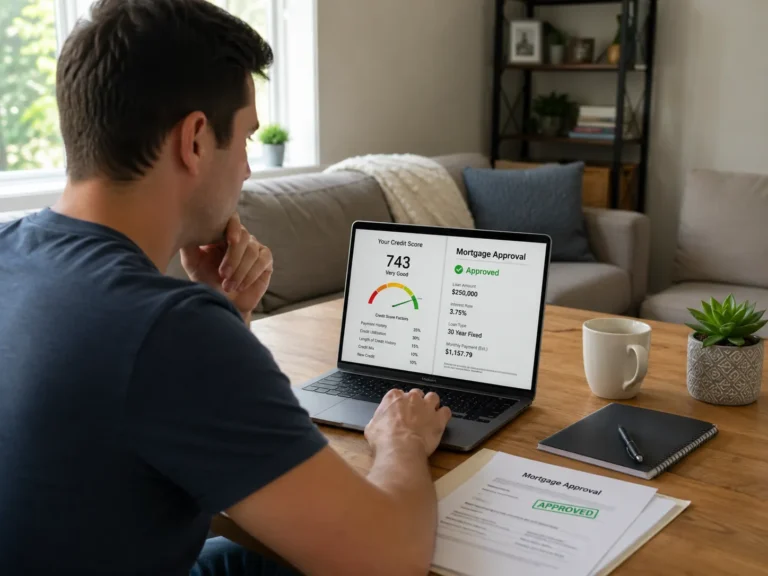
Homebuyer assistance eligibility varies by program, but most follow a similar structure built around income, credit, and homeownership status. These programs—often offered by state, local, or federal agencies—are designed to make buying a home more accessible, especially for first-time or moderate-income buyers.
Understanding the core requirements can help you quickly determine whether you may qualify.
What Is Homebuyer Assistance Eligibility
Homebuyer assistance eligibility refers to the criteria you must meet to qualify for financial support programs such as:
- Down payment assistance grants
- Low-interest or forgivable loans
- Closing cost assistance
- Government-backed mortgage programs
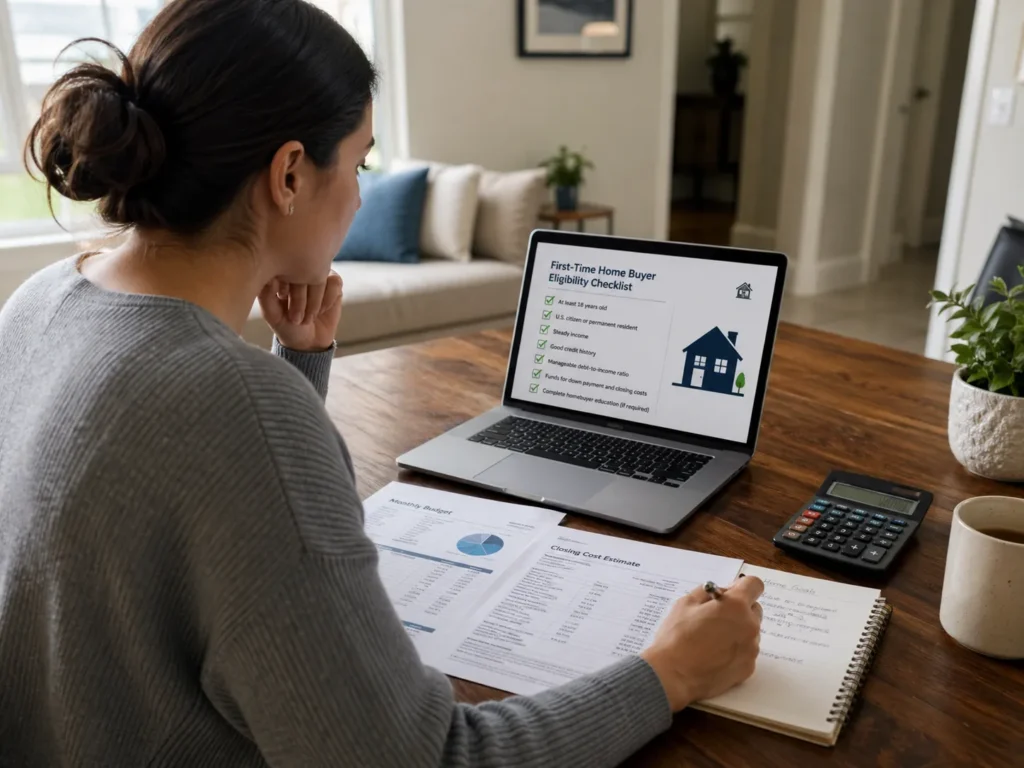
There are thousands of programs across the U.S., each with slightly different rules, but most rely on a shared set of eligibility factors. (Down Payment Resource)
Core Eligibility Requirements
Most homebuyer assistance programs evaluate applicants based on several key criteria.
First Time Buyer Status
Many programs require you to be a first-time buyer, which usually means you haven’t owned a home in the past 3 years. (homebuyinginstitute.com)
However, some programs allow repeat buyers under certain conditions.
Income Limits
Programs are typically designed for low- to moderate-income households.
- Many limit income to around 80% of the area median income (AMI)
- Some programs extend eligibility higher depending on location (homebuyinginstitute.com)
This ensures assistance reaches buyers who need it most.
Credit Score Requirements
Most programs require a minimum credit score, often around:
- 620 or higher for many assistance programs (rocketmortgage.com)
Some programs are more flexible, but stronger credit improves approval chances.
Primary Residence Requirement
You must usually:
- Purchase a home you intend to live in
- Not use the property as an investment or rental
This is a standard requirement across nearly all assistance programs. (homebuyinginstitute.com)
Typical Eligibility Criteria Comparison
| Requirement | Common Standard | Why It Matters |
|---|---|---|
| First-Time Buyer | No homeownership in 3 years | Targets new buyers |
| Income Level | ≤80%–115% of AMI | Focuses on affordability |
| Credit Score | ~620+ | Measures repayment ability |
| Property Type | Primary residence | Prevents investment use |
| Loan Participation | Approved lender required | Ensures compliance |
Pro Insight
Eligibility doesn’t always mean low income. In some high-cost areas, assistance programs now extend to middle-income households due to rising home prices. (The Washington Post)
Additional Requirements You May Encounter
Beyond the basics, many programs include extra conditions.
- Homebuyer education course required (homebuyinginstitute.com)
- Debt-to-income (DTI) limits, often around 45%–50% (homebuyinginstitute.com)
- Purchase price limits for the home (homebuyinginstitute.com)
- Minimum buyer contribution (even if small) (atlantahousing.org)
Some programs also require you to live in the home for a certain number of years to keep the benefits.
Quick Tip
Even if you don’t qualify for one program, check multiple local options. Eligibility rules vary widely, and you may qualify in one city or county but not another.
Real World Example
A buyer with:
- Moderate income below local limits
- Credit score of 640
- First-time buyer status
They may qualify for:
- Down payment assistance covering part of upfront costs
- A low-interest or forgivable second loan
In many cases, this reduces the amount of savings needed to purchase a home.
Common Reasons Buyers Don’t Qualify
Some applicants miss eligibility due to:
- Income exceeding program limits
- Buying a home above the price cap
- Low credit score
- High debt-to-income ratio
- Not meeting residency or location rules
Understanding these factors early helps avoid delays.

Frequently Asked Questions
Who qualifies for homebuyer assistance
Most programs target first-time buyers with low to moderate income, but eligibility varies by location and program type.
Do I need to be a first-time buyer
Often yes, but some programs allow repeat buyers if they haven’t owned a home in the past 3 years.
What credit score is required
Many programs require a score around 620, though some may allow lower scores.
Are there income limits
Yes, most programs set income limits based on local median income levels.
Can assistance cover the full down payment
Some programs offer significant support, but many require at least a small personal contribution.
Conclusion
Homebuyer assistance eligibility is built around a few core factors—income, credit, and homeownership status. While requirements vary by program and location, many buyers find they qualify for more options than expected.
By exploring multiple programs and understanding the criteria early, you can position yourself to take advantage of financial support that makes homeownership more achievable.
https://www.hud.gov
https://www.consumerfinance.gov
https://www.usa.gov/housing-help
https://www.fhfa.gov
This article is for general informational purposes only and does not provide legal, financial, medical, or professional advice. Policies, rates, and regulations may change over time.
About the Author