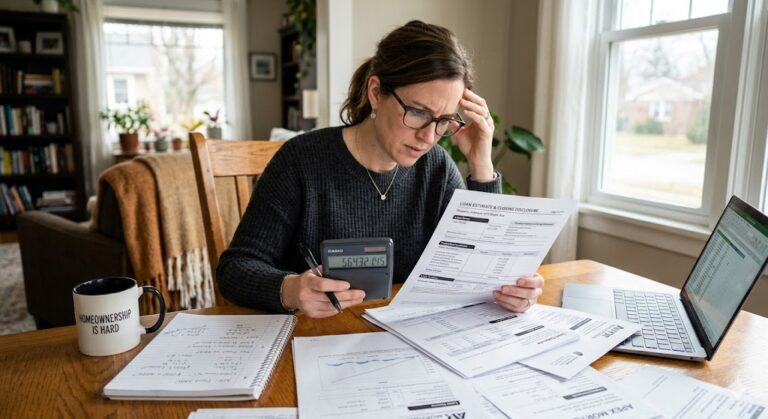
Buying your first house in the United States can feel like a major milestone—and a complex process at the same time. From understanding financing to navigating inspections and closing paperwork, each step requires careful attention. With the right preparation and a clear sense of how the process works, first-time buyers can move forward with confidence rather than guesswork.
Understanding the Home Buying Process

The path to homeownership typically follows a structured sequence, though individual experiences may vary slightly depending on location and financing.
It begins with assessing your financial readiness. This includes reviewing your credit profile, calculating how much you can reasonably afford, and building savings for upfront costs like a down payment and closing fees.
Next comes mortgage pre-approval. This step gives you a clearer budget range and signals to sellers that you’re a serious buyer. From there, you’ll start house hunting, often with the help of a licensed real estate agent who understands local market conditions.
Once you find a property, you submit an offer. If accepted, the home enters escrow, where inspections, appraisals, and final loan approvals take place. The process concludes with closing, where ownership officially transfers.
Budgeting Beyond the Purchase Price
Many first-time buyers focus primarily on the listing price, but the true cost of owning a home extends further.
You’ll need to factor in:
- Property taxes, which vary by state and county
- Homeowners insurance
- Maintenance and repairs
- Utilities and possible HOA fees
A common mistake is stretching too far financially on the purchase itself, leaving little room for ongoing expenses. A balanced budget keeps homeownership sustainable over time.
Comparing Loan Options
Choosing the right mortgage is one of the most important decisions in the process. Different loan types are designed for different financial situations.
| Loan Type | Typical Down Payment | Best For | Key Consideration |
|---|---|---|---|
| Conventional | 3%–20% | Buyers with strong credit | May require private mortgage insurance |
| FHA | 3.5% | Lower credit or first-time buyers | Mortgage insurance required |
| VA | 0% | Eligible veterans and service members | Limited to qualified applicants |
| USDA | 0% | Rural and suburban buyers | Location restrictions apply |
Understanding how these options differ can help you align your financing with your long-term goals.
Pro Insight
A practical way to strengthen your position as a buyer is to keep your debt-to-income ratio as low as possible before applying for a mortgage. Even small adjustments—like paying down credit cards—can improve loan terms and reduce interest costs over time.
Lenders don’t just evaluate income. They look at consistency, risk, and how comfortably you can handle monthly obligations.
Finding the Right Property

House hunting is where emotion often meets strategy. It’s easy to get attached to a property, but staying grounded in your priorities matters.
Start by identifying non-negotiables. These might include location, commute time, school districts, or number of bedrooms. From there, create a list of “nice-to-have” features.
A real-world scenario illustrates this well. A first-time buyer might fall in love with a renovated home slightly above budget. After factoring in higher monthly payments and maintenance costs, they realize a more modest property offers greater financial flexibility. That trade-off often leads to better long-term satisfaction.
Making an Offer and Negotiating
When you’re ready to make an offer, your agent will help determine a competitive price based on comparable sales and market conditions.
Negotiation may involve more than just price. Sellers and buyers often discuss:
- Closing timelines
- Included appliances or repairs
- Contingencies such as inspections or financing
Flexibility can sometimes be just as valuable as a higher offer.
Inspections, Appraisals, and Closing
Once your offer is accepted, the process becomes more technical. A home inspection identifies potential issues, from structural concerns to minor repairs. An appraisal ensures the home’s value aligns with the loan amount.
If everything checks out, you move toward closing. This stage includes signing final documents, paying closing costs, and officially transferring ownership.
It’s detailed, but manageable when you know what to expect.
Quick Tip
Keep a dedicated savings buffer even after closing. Unexpected repairs—like a water heater replacement or roof maintenance—are common in the first year of homeownership.
Common Mistakes to Avoid
First-time buyers often run into similar challenges. Awareness can help you avoid them.
Overextending financially is one of the most frequent issues. A home that feels affordable today can become stressful if income changes or expenses rise.
Skipping inspections to speed up a deal is another risk. It may save time upfront but can lead to costly surprises later.
Finally, making large financial changes during the loan process—such as opening new credit accounts—can affect approval status. Stability matters until the deal is complete.
Frequently Asked Questions
What credit score do I need to buy a house in the USA?
Most lenders look for a score of at least 620 for conventional loans, though some programs accept lower scores with additional requirements.
How much should I save for a down payment?
It varies by loan type, but many first-time buyers put down between 3% and 10%. Additional savings for closing costs are also necessary.
How long does the home buying process take?
From pre-approval to closing, the process often takes 30 to 60 days, though house hunting can extend the timeline.
Can I buy a house with student loan debt?
Yes, as long as your overall debt-to-income ratio remains within acceptable limits for lenders.
Is renting cheaper than buying?
It depends on location, market conditions, and how long you plan to stay. Buying may build equity over time, while renting offers flexibility.
Conclusion
Buying your first home in the United States is a significant step that blends financial planning with personal decision-making. While the process can seem complex, breaking it into clear stages makes it far more approachable.
Preparation is the difference-maker. When you understand your budget, explore loan options carefully, and stay realistic about your needs, the path to homeownership becomes far more manageable—and ultimately rewarding.
https://www.hud.gov
https://www.consumerfinance.gov
https://www.usa.gov/housing
https://www.fanniemae.com
This article is for general informational purposes only and does not provide legal, financial, medical, or professional advice. Policies, rates, and regulations may change over time.
About the Author