Buying your first home in the United States starts with understanding whether you actually qualify as a “first-time buyer.” The definition is broader than many expect, and eligibility depends not just on ownership history but also on financial readiness and the type of loan or assistance program you choose.
What Counts as a First-Time Home Buyer

In the U.S., being a first-time home buyer doesn’t always mean it’s your first purchase ever.
You generally qualify if:
- You have not owned a primary residence in the past three years (LegalClarity)
- You previously owned a home only with a spouse (and are now separated or divorced) (Rocket Mortgage)
- You were a displaced homemaker or single parent who no longer owns a home (Rocket Mortgage)
This definition matters because many grants and assistance programs rely on it. Even if you owned a home years ago, you may still qualify today.
Core Eligibility Requirements
While programs vary, most lenders and government-backed loans evaluate a similar set of criteria.
1. Credit Score
- Around 620+ is common for conventional loans
- FHA loans may allow 580+ with 3.5% down (LegalClarity)
Lower scores don’t automatically disqualify you, but they can affect loan terms.
2. Income and Employment
You’ll need to show stable, verifiable income. Lenders typically look for consistent employment history and the ability to repay the loan. (FHA)
3. Debt-to-Income Ratio (DTI)
Most programs prefer:
- Around 43% or lower total debt compared to income (First Residential)
This helps ensure your monthly payments remain manageable.
4. Down Payment
Depending on the loan:
- 0% for VA or USDA (if eligible)
- 3%–3.5% for many first-time buyer programs (LegalClarity)
Comparing Common Loan Eligibility
| Loan Type | Minimum Credit | Down Payment | Key Eligibility Focus |
|---|---|---|---|
| Conventional | ~620 | 3% | Strong credit profile |
| FHA | 500–580+ | 3.5%–10% | Flexible credit rules |
| VA | No strict minimum | 0% | Military eligibility |
| USDA | Varies | 0% | Rural location + income limits |
Each option serves a different type of buyer, so eligibility isn’t one-size-fits-all.
Property Requirements Matter Too
It’s not just about you—the home itself must qualify.
Most first-time buyer programs require:
- The property must be your primary residence (LegalClarity)
- You must move in within a set period (often around 60 days) (LegalClarity)
- The home must meet basic safety and habitability standards (LegalClarity)
Investment properties and vacation homes typically don’t qualify under first-time buyer programs.
Pro Insight
A common misconception is that eligibility is fixed. In reality, small financial adjustments can quickly change your status.
For example, paying down a credit card balance or increasing savings by a few thousand dollars can improve both your approval chances and your loan terms. Lenders evaluate risk holistically, not just one number.
Assistance Programs and Special Eligibility
Many first-time buyers qualify for additional support, but these programs often include extra conditions.
You may need to meet:
- Income limits based on your area
- Purchase price caps
- Homebuyer education requirements
These programs can provide grants or reduced down payments, but they’re usually tied to stricter guidelines.
Quick Tip
Check local and state housing programs early. Some offer benefits like down payment assistance, but funding can be limited and require pre-approval before you start house hunting.
Common Eligibility Mistakes
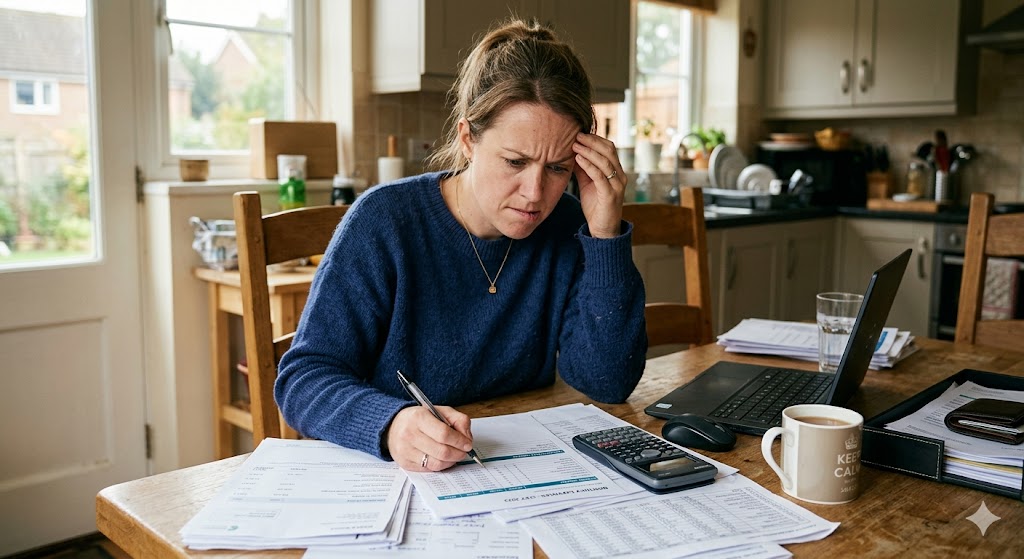
Even qualified buyers sometimes run into issues.
Some frequent mistakes include:
- Assuming past homeownership disqualifies you
- Underestimating how debt affects approval
- Making large purchases before closing (like a car or furniture)
A steady financial profile is key from application through closing.
Frequently Asked Questions
Do I need to be a first-time buyer to get an FHA loan?
No. FHA loans are available to repeat buyers, but some assistance programs tied to them require first-time status. (LegalClarity)
Can I qualify with low income?
Yes, but eligibility often depends on your debt levels and the loan program. Some assistance programs have income limits.
How long after owning a home can I qualify again?
Typically after three years without owning a primary residence. (LegalClarity)
Is a job required to qualify?
Yes. Lenders require proof of stable income or employment to ensure repayment ability. (FHA)
Do I need a large down payment?
Not necessarily. Many programs allow as little as 3%–3.5%, and some offer zero down if you qualify. (LegalClarity)
Conclusion
First-time home buyer eligibility in the U.S. is more flexible than it appears at first glance. The combination of a broad definition, multiple loan programs, and assistance options means many people qualify—even if they assume they don’t.
The key is understanding how lenders evaluate your financial profile and aligning that with the right loan program. With preparation and realistic expectations, eligibility becomes less of a barrier and more of a starting point.
https://www.hud.gov
https://www.consumerfinance.gov
https://www.usa.gov/housing
https://www.fanniemae.com
This article is for general informational purposes only and does not provide legal, financial, medical, or professional advice. Policies, rates, and regulations may change over time.
About the Author