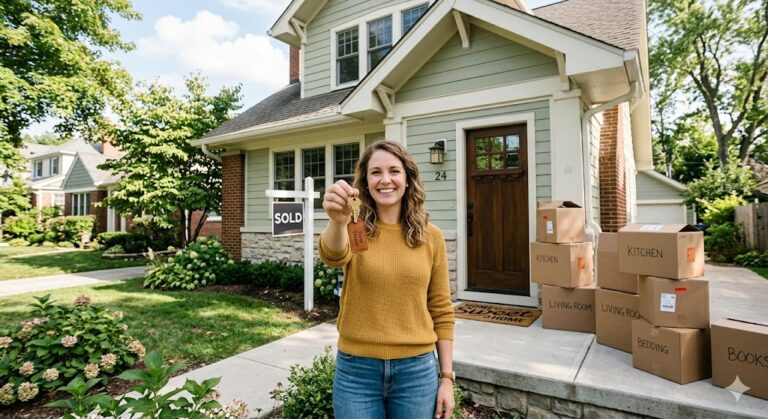
Buying your first home can feel overwhelming, especially with so many moving parts involved. A clear first home purchase checklist helps you stay organized, avoid common missteps, and move forward with confidence from start to finish.
This guide breaks the process into practical steps so you can focus on what matters most at each stage.
Preparing Your Finances First
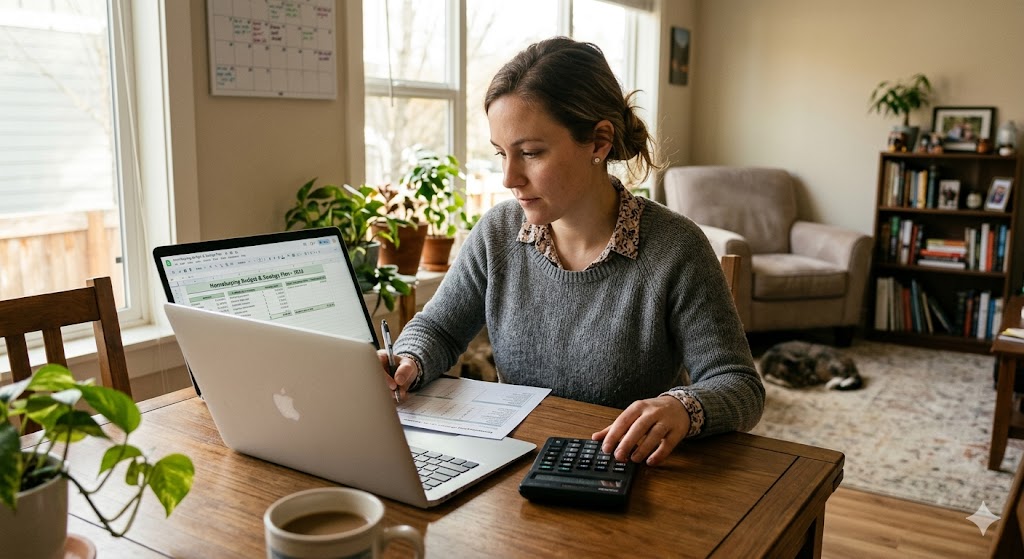
Before you start browsing listings, your financial foundation needs to be in place.
Review Your Credit
Check your credit score and report. Even small improvements can affect loan terms and interest rates.
Set a Realistic Budget
Look beyond the purchase price. Factor in:
- Property taxes
- Insurance
- Maintenance costs
- Monthly utilities
Save for Upfront Costs
You’ll typically need funds for:
- Down payment
- Closing costs
- Moving expenses
Having extra savings can reduce stress later.
Getting Pre-Approved for a Mortgage
A mortgage pre-approval gives you a clear price range and strengthens your position as a buyer.
Why It Matters
- Sellers take your offer more seriously
- You avoid wasting time on homes outside your budget
- You understand your financing limits early
What You’ll Need
- Proof of income
- Credit history
- Employment verification
- Financial statements
This step sets the tone for the rest of your home search.
Comparing Loan Options
| Loan Type | Key Advantage | Consideration |
|---|---|---|
| FHA Loan | Easier qualification | Long-term mortgage insurance |
| Conventional Loan | Lower long-term cost | Higher credit requirements |
| VA Loan | No down payment (eligible buyers) | Limited eligibility |
| USDA Loan | Zero down in qualifying areas | Location restrictions |
Understanding these differences helps you choose a loan that aligns with your situation.
Pro Insight
Many first-time buyers focus heavily on getting approved, but approval isn’t the finish line. The real goal is affordability—choosing a home and loan that fits comfortably within your monthly budget.
That distinction often prevents financial strain later.
Finding the Right Home

Once your finances are ready, the search begins.
Define Your Priorities
Separate needs from preferences. Focus on:
- Location
- Commute time
- Essential features
Work With a Real Estate Agent
An experienced agent can help you navigate listings, pricing, and negotiations.
Visit Multiple Properties
Comparing homes in person gives you a better sense of value and condition.
Patience during this phase often leads to better decisions.
Making an Offer and Closing the Deal
Submitting an Offer
Your agent will help you determine a competitive price based on market conditions.
Home Inspection
A professional inspection can uncover issues that may not be visible during a tour.
Finalizing the Mortgage
Your lender will complete underwriting and confirm your loan details.
Closing Process
This includes:
- Signing legal documents
- Paying closing costs
- Receiving your keys
Each step moves you closer to ownership.
Quick Tip
Keep your finances stable during the closing process. Avoid large purchases or opening new credit accounts until after your loan is finalized.
Real-World Scenario
A first-time buyer finds a home within their approved budget but skips a detailed inspection to speed up the process.
After moving in, unexpected repairs arise, creating financial pressure. A simple checklist step—completing a full inspection—could have revealed these issues earlier.
Small steps matter.
Common First-Time Buyer Mistakes
- Skipping mortgage pre-approval
- Underestimating total costs
- Letting emotions drive decisions
- Ignoring inspection results
Avoiding these mistakes can save both time and money.
Final Checklist Before You Buy
- Confirm your budget and loan terms
- Review inspection results carefully
- Understand all closing costs
- Ensure paperwork is complete
- Plan your move and immediate expenses
A final review helps ensure nothing is overlooked.
Frequently Asked Questions
How much money do I need to buy my first home?
It varies, but you’ll typically need funds for a down payment and closing costs, which can range from a few percent of the home price.
What is mortgage pre-approval?
It’s a lender’s confirmation of how much you can borrow based on your financial profile.
How long does the home buying process take?
It can take several weeks to a few months, depending on market conditions and financing.
Do I need a real estate agent?
Not required, but many buyers benefit from professional guidance during the process.
What happens at closing?
You sign final documents, pay remaining costs, and officially take ownership of the home.
Conclusion
A first home purchase checklist brings structure to a complex process. From preparing your finances to closing the deal, each step plays a role in making your experience smoother and more predictable.
Staying organized, informed, and patient can help you make decisions that support your long-term financial well-being.
Trusted U.S. Resources
https://www.hud.gov
https://www.consumerfinance.gov
https://www.usa.gov/housing-help
https://www.fanniemae.com
This article is for general informational purposes only and does not provide legal, financial, medical, or professional advice. Policies, rates, and regulations may change over time.
About the Author