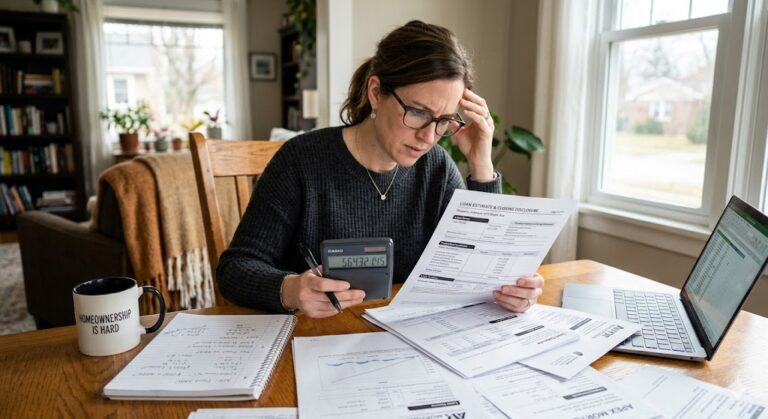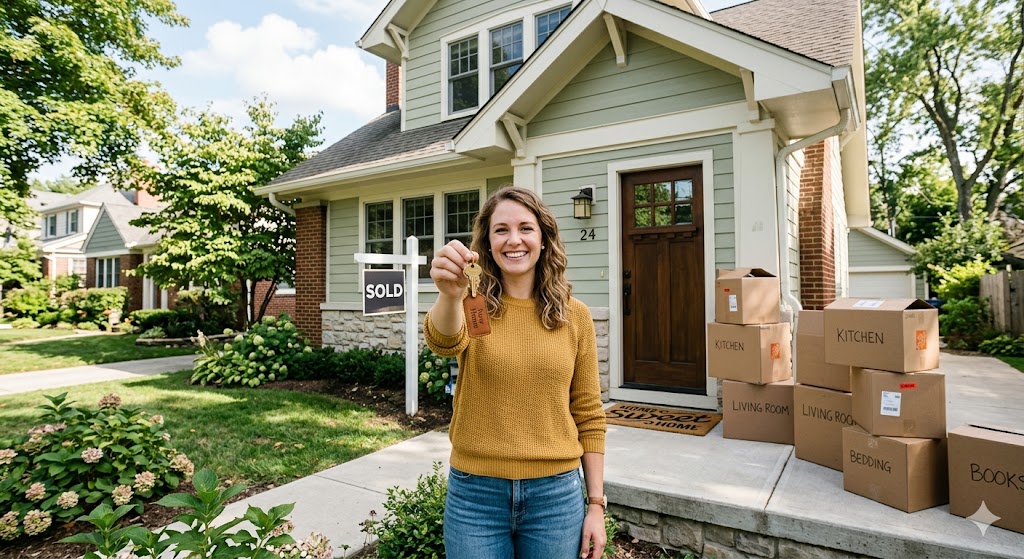
Buying your first home is a major financial step, and the mortgage you choose will shape your monthly budget for years. First home buyer mortgage tips aren’t just about getting approved—they’re about understanding how each decision affects your long-term stability. A thoughtful approach early on can make the entire process smoother and far more predictable.
How Mortgages Work for First-Time Buyers
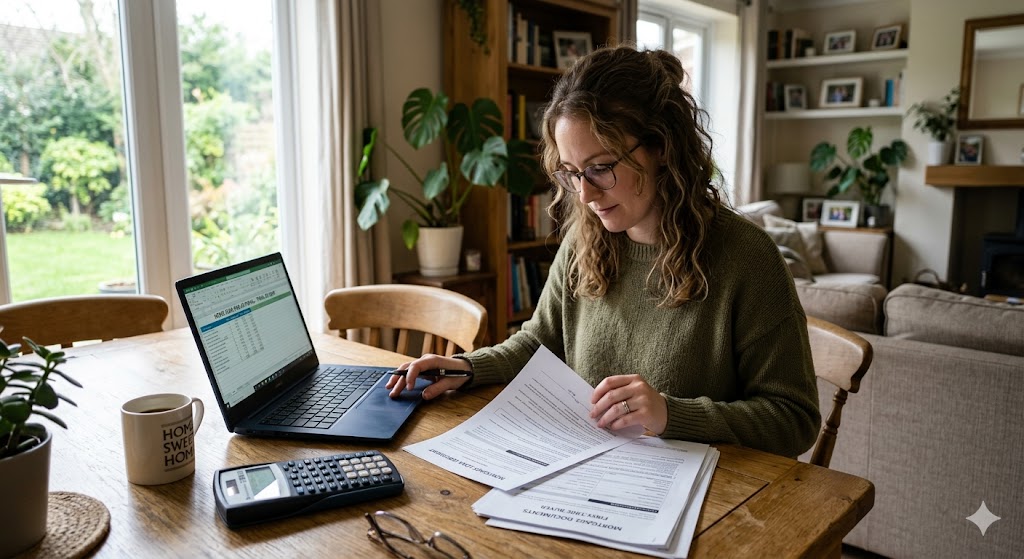
A mortgage is essentially a structured loan used to purchase property, but for first-time buyers, the details can feel overwhelming. Lenders evaluate your financial profile to determine how much you can borrow and under what terms.
Key factors include:
- Credit score and payment history
- Debt-to-income ratio
- Income stability
- Down payment amount
The loan you’re offered is a reflection of how lenders assess risk. That’s why two buyers can receive very different terms, even when looking at similar homes.
Types of Mortgages You Should Know
Understanding your options early can prevent wasted time and confusion later in the process.
Fixed-Rate Mortgages
These loans keep the same interest rate over the life of the loan. Monthly payments stay consistent, making budgeting easier.
Adjustable-Rate Mortgages
Rates start lower but can change over time. These are sometimes chosen by buyers who don’t plan to stay in the home long-term.
Government-Backed Loans
Programs designed to expand access to homeownership:
- FHA loans for flexible credit requirements
- VA loans for eligible service members
- USDA loans for certain geographic areas
Each type comes with its own trade-offs between accessibility and long-term cost.
Comparing Fixed vs Adjustable Mortgages
| Feature | Fixed-Rate Mortgage | Adjustable-Rate Mortgage |
|---|---|---|
| Interest Rate Stability | Remains constant | Changes after initial period |
| Monthly Payment Predictability | High | Moderate to low |
| Initial Interest Rate | Typically higher | Often lower |
| Risk Over Time | Lower | Higher if rates rise |
| Best For | Long-term homeowners | Short-term plans |
This comparison highlights a key decision point. Stability versus flexibility.
Pro Insight
Many first-time buyers focus heavily on how much they can borrow, but a more practical question is how much they should borrow. Staying slightly below your maximum approval can provide breathing room for unexpected expenses like repairs, taxes, or insurance adjustments.
That margin often becomes more valuable than a slightly larger home.
Building a Strong Mortgage Application

Lenders look for consistency and reliability. Strengthening your application doesn’t require drastic changes—just disciplined preparation.
Improve Your Credit Profile
Pay bills on time and reduce outstanding balances where possible. Even small improvements can influence your rate.
Manage Your Debt
Lowering existing debt improves your debt-to-income ratio, which is a major approval factor.
Save Beyond the Down Payment
Closing costs, inspections, and moving expenses can add up quickly. Having extra funds helps prevent financial strain.
Avoid Major Financial Changes
Large purchases or job changes during the application process can affect approval.
Quick Tip
Before house hunting, get pre-approved rather than just pre-qualified. A pre-approval carries more weight with sellers and gives you a clearer budget range.
Real-World Scenario
Consider a buyer named Mia. She qualifies for a mortgage that allows her to spend up to the top of her budget. Instead, she chooses a slightly lower-priced home.
A year later, when property taxes increase and minor repairs arise, she’s able to handle the added costs comfortably. That initial decision to leave financial space made a measurable difference in her day-to-day life.
Common First-Time Buyer Pitfalls
- Overlooking total monthly costs beyond the mortgage
- Draining savings entirely for a down payment
- Choosing loans without understanding long-term implications
- Skipping comparison between lenders
These missteps are common, but avoidable with a bit of planning.
Practical Tips for Choosing the Right Mortgage
- Compare multiple loan offers, not just one
- Review total loan cost over time, not just monthly payment
- Ask about fees, insurance, and rate adjustments
- Consider how long you plan to stay in the home
Clarity at this stage prevents confusion later.
Frequently Asked Questions
What credit score do I need as a first-time homebuyer?
Many lenders look for at least 620 for conventional loans, though some programs accept lower scores.
How much should I save for a down payment?
Some loans allow as little as 3%, but saving more can reduce monthly costs and eliminate certain fees.
Is a fixed-rate mortgage better than adjustable?
It depends on your plans. Fixed-rate offers stability, while adjustable-rate may work for shorter-term ownership.
What is mortgage pre-approval?
It’s a lender’s conditional commitment based on your financial information, giving you a clearer budget when house hunting.
Can I buy a home with existing debt?
Yes, but your debt-to-income ratio will influence how much you can borrow and your loan terms.
Conclusion
First home buyer mortgage tips aren’t about finding shortcuts—they’re about making informed decisions. The right mortgage balances affordability, stability, and flexibility based on your financial situation.
Take the time to understand your options, prepare your finances, and compare offers carefully. A well-chosen mortgage can support your goals without adding unnecessary pressure.
Trusted U.S. Resources
https://www.consumerfinance.gov
https://www.hud.gov
https://www.usa.gov/housing
https://www.freddiemac.com
This article is for general informational purposes only and does not provide legal, financial, medical, or professional advice. Policies, rates, and regulations may change over time.
About the Author