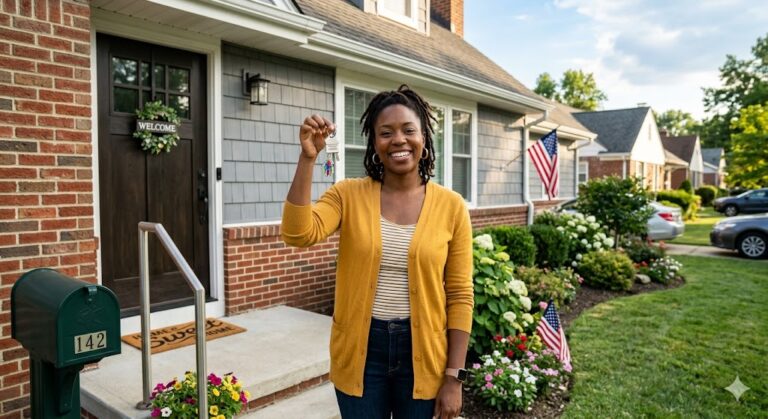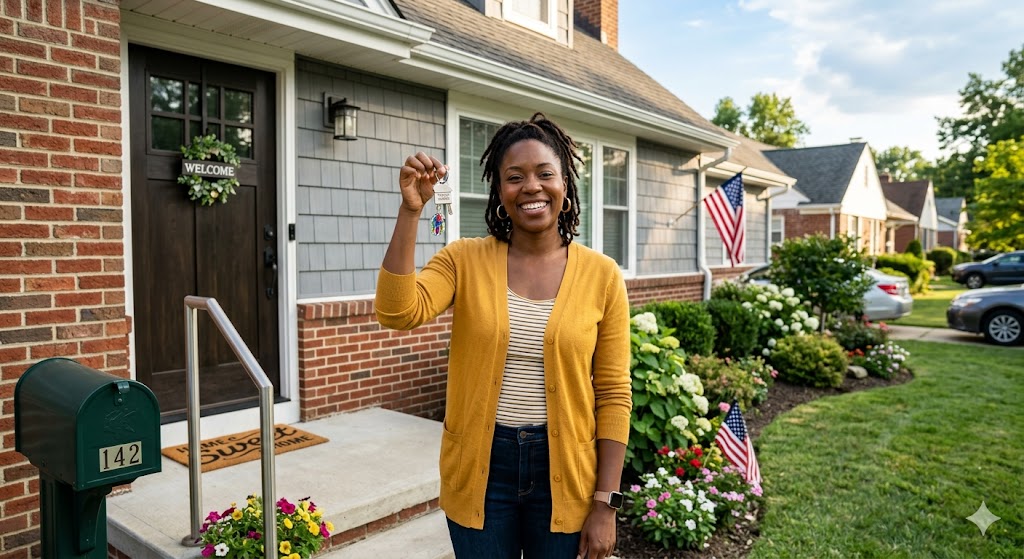
First home ownership grants can make a meaningful difference when you’re trying to buy your first property. These programs are designed to reduce upfront costs—often covering part of your down payment or closing expenses—without requiring repayment in many cases.
For buyers navigating affordability challenges, grants can be one of the most valuable forms of assistance available.
What First Home Ownership Grants Are
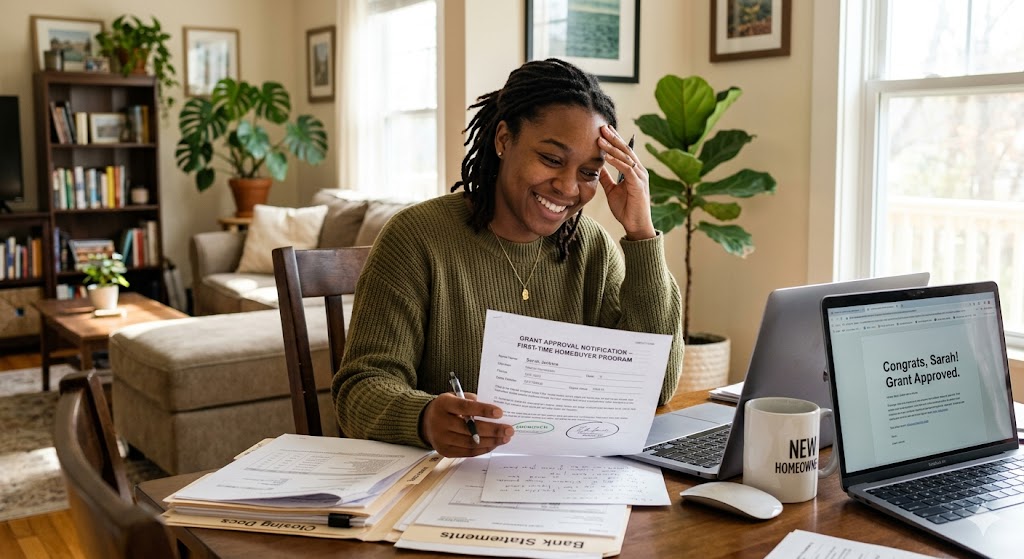
First home ownership grants are financial awards provided by:
- Government agencies
- Nonprofit organizations
- Lenders or banks
Unlike loans, grants typically do not need to be repaid, making them one of the most attractive forms of housing assistance. (Bankrate)
They are commonly used for:
- Down payments
- Closing costs
- Mortgage-related expenses
How First-Time Buyer Grants Work
These programs are designed to help buyers overcome the biggest barrier—upfront cash.
Key Features
- Funds may cover a percentage of the home price
- Some grants are combined with specific loan programs
- Many require you to live in the home as your primary residence
Grants are often paired with affordable loan options to reduce overall costs.
Common Types of Homeownership Grants
Down Payment Grants
Provide direct cash assistance for your down payment.
- Can cover thousands of dollars
- Often based on income eligibility
Closing Cost Grants
Help pay fees required to finalize your home purchase.
Lender-Sponsored Grants
Offered by banks with specific mortgage programs.
- Example programs may offer $5,000–$10,000+ in assistance (Bankrate)
State and Local Grants
Many cities and states offer targeted programs with larger benefits.
- Some programs provide up to $20,000 or more in assistance (Homebuyer.com)
Comparing First Home Ownership Grant Options
| Grant Type | What It Covers | Repayment | Best For |
|---|---|---|---|
| Down Payment Grant | Down payment | No | Limited savings |
| Closing Cost Grant | Fees at closing | No | Reducing upfront costs |
| Lender Grant | Mixed costs | No (conditions apply) | Working with specific lenders |
| State/Local Grant | Various expenses | Usually no | Location-based support |
Each option targets a different part of the buying process.
Pro Insight
Many buyers don’t realize there are thousands of assistance programs nationwide. Exploring local options early can uncover opportunities that aren’t widely advertised. (The Washington Post)
In some cases, you may even be able to combine multiple programs.
Who Qualifies for Homeownership Grants

Eligibility varies, but most programs require:
Income Limits
Typically based on area median income (AMI), often targeting low-to-moderate income households. (Bankrate)
First-Time Buyer Status
Usually defined as not owning a home in the past three years. (Mortgage Professional)
Primary Residence Requirement
The home must be where you live—not an investment property. (Bankrate)
Homebuyer Education
Many programs require completing an approved course before approval. (Bankrate)
Meeting these conditions improves your chances of qualifying.
Quick Tip
Start with your state or local housing agency. Many of the most valuable grants are location-specific and may have limited funding.
Real-World Scenario
A first-time buyer has steady income but limited savings:
- Without a grant → struggles to afford down payment
- With a grant → receives assistance covering part of upfront costs
This reduces the amount of cash needed and allows the purchase to move forward sooner.
Common Mistakes to Avoid
- Assuming grants are automatically applied
- Missing application deadlines
- Not completing required education courses
- Failing to explore local programs
These issues can prevent you from accessing available funds.
How to Apply for First Home Grants
- Research local and national programs
- Check eligibility requirements
- Work with a participating lender
- Complete required education courses
- Submit application and documentation
Early preparation increases your chances of approval.
Frequently Asked Questions
Do first home ownership grants need to be repaid?
Most grants do not require repayment, but some programs have conditions.
How much can I get from a grant?
Amounts vary widely, often ranging from a few thousand dollars to $20,000 or more.
Can I combine multiple grants?
In some cases, yes—depending on program rules.
Are grants available nationwide?
Yes, but many are offered at state or local levels.
Do I need perfect credit to qualify?
Not always, but minimum credit requirements may apply.
Conclusion
First home ownership grants can significantly reduce the financial barriers to buying a home. By covering key upfront costs and offering flexible support, these programs help make homeownership more accessible—especially for first-time buyers.
Taking the time to explore and apply for available grants can open doors that might otherwise remain out of reach.
Trusted U.S. Resources
https://www.hud.gov
https://www.consumerfinance.gov
https://www.usa.gov/housing-help
https://www.fanniemae.com
This article is for general informational purposes only and does not provide legal, financial, medical, or professional advice. Policies, rates, and regulations may change over time.
About the Author