
Learn how mortgage rate comparison works, what affects rates, and how to evaluate options to save thousands over your loan.
Choosing the right mortgage isn’t just about the lowest headline rate — it’s about understanding how different rates and terms affect your long-term costs. That’s why a detailed mortgage rate comparison can be the difference between paying $100,000 extra over the life of a loan or keeping thousands in your pocket.
Whether you’re a first-time homebuyer, refinancing, or moving up, knowing what drives rates and how to shop them empowers smarter financial decisions.
What Mortgage Rates Really Reflect
Mortgage rates are influenced by a mix of economic forces, lender practices, and borrower characteristics. Even a slight difference in rate — say 0.25% — can lead to significant changes in monthly payments and total interest paid over 15–30 years.
For example, a 30-year mortgage at 6.0% will cost more in total interest than a similar mortgage at 5.5%, even if the principal is the same. That’s the power of compounding over time.
Key Factors That Shape Mortgage Rates
Several elements determine where your rate lands:
Credit Score: Higher scores almost always unlock lower rates.
Loan Type: Conventional, FHA, VA and USDA loans all have different pricing.
Loan Term: Shorter loans (15 years) typically have lower rates than 30-year terms.
Down Payment: Larger down payments can reduce risk for lenders.
Market Conditions: Federal policy, inflation, and bond yields affect rates daily.
Understanding these factors helps you interpret and compare offers like a pro.
Comparing Rate Quotes Like a Professional
When you collect mortgage rate quotes, focus on more than just the percentage:
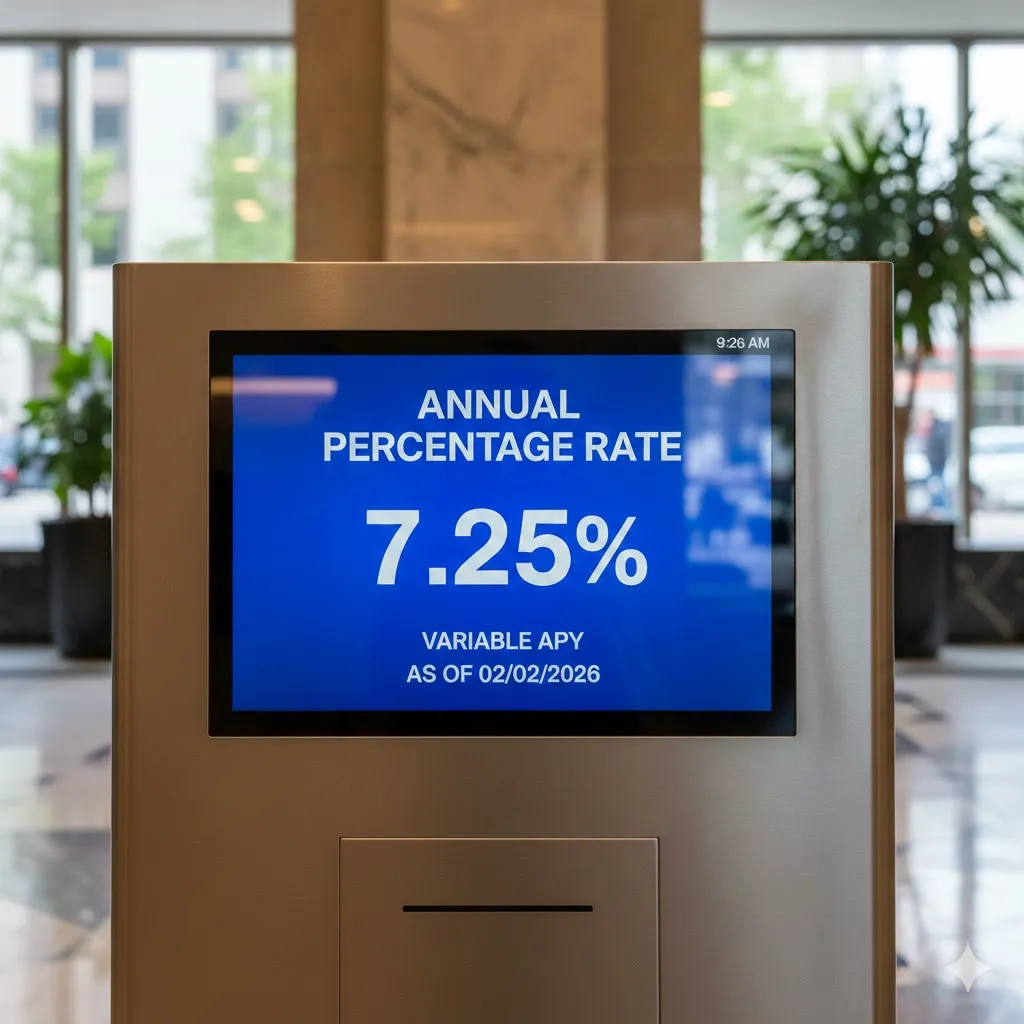
- Annual Percentage Rate (APR) shows interest plus certain fees over time.
- Points represent prepaid interest that lower the rate in exchange for upfront cost.
- Loan Fees & Closing Costs vary widely — affecting your true cost.
Also, confirm that each quote is based on the same assumptions (loan type, term, down payment, credit profile). Apples-to-apples comparison avoids surprises.

Side-by-Side Mortgage Rate Comparison
| Component | What It Shows | Why It Matters | How to Use It |
|---|---|---|---|
| Interest Rate | Base cost of borrowing | Lower means less interest paid | Compare offers |
| APR | Interest + certain fees | Reveals true cost | Best for long-term view |
| Loan Term | Duration of repayment | Shorter = higher payments but less total interest | Match with goals |
| Points | Upfront fee to lower rate | Trade-off cost vs savings | Calculate break-even |
| Fees | Origination & other charges | Affect total loan cost | Include in comparison |
This table helps you weigh everything that influences the real cost of a mortgage.
When to Lock a Mortgage Rate
Mortgage rates can fluctuate daily — sometimes multiple times per day. Locking a rate can protect you from upward moves while your loan closes.
Real-life scenario: You’re waiting on appraisal results and rates spike 0.5% the next day. A rate lock could shield you from that increase during the approval process.
Disclaimer
This article provides general information and does not constitute financial or tax advice. Mortgage rates and offers vary by individual circumstances; consult qualified professionals before decisions.
Pro Insight
A slightly higher rate with fewer fees can lead to lower total cost than the lowest rate with hefty upfront charges. Always compare total cost, not just the percentage.
Quick Tip
Consider using a mortgage rate tracker tool to monitor average rates over time before locking in your loan.
Frequently Asked Questions
What’s the difference between interest rate and APR?
Interest rate is the base cost; APR includes certain fees and gives a broader cost perspective.
Does credit score affect mortgage rates?
Yes — better scores typically receive lower rate offers.
Should I compare lenders online or locally?
Both. Online lenders often have competitive pricing, while local lenders can offer personal guidance.
When is the best time to lock a rate?
Lock when you’re ready to close and comfortable with the quoted rate.
Can mortgage rates change before closing?
Yes — unless you secure a rate lock or float-down option.
Conclusion
A thorough mortgage rate comparison is an essential step in home financing. By looking beyond headline percentages to APR, fees, loan terms, and points, you gain clarity on true cost and make choices that fit your financial strategy.
Comparing with diligence today can save tens of thousands over the life of your mortgage.
Trusted U.S. Resources
Consumer Financial Protection Bureau — Mortgage Basics
https://www.consumerfinance.gov
Federal Reserve — Interest Rate Impact on Mortgages
https://www.federalreserve.gov
U.S. Department of Housing and Urban Development — Home Loans
https://www.hud.gov
About the Author