
Use a refinance calculator to estimate savings, break-even points, and decide if refinancing your mortgage makes sense.
Refinancing can look appealing on paper, but the real question is simple: does it actually save you money? A refinance calculator helps answer that before you commit to fees, paperwork, and long-term changes.
Instead of guessing, this tool turns rates, terms, and costs into clear numbers you can evaluate with confidence.
What a Refinance Calculator Really Does
A refinance calculator estimates how a new mortgage compares to your current one. It looks at interest rates, loan terms, remaining balance, and closing costs to show potential monthly savings and long-term impact.
For example, a homeowner considering a lower rate might see their monthly payment drop—but the calculator may also reveal how long it takes to recover closing costs. That insight alone can prevent costly mistakes.
Key Inputs That Affect Your Results
Accurate results depend on accurate inputs. A refinance calculator typically asks for:
Current loan balance and interest rate
Remaining loan term
New interest rate and loan term
Estimated closing costs
Small changes—like a 0.25% rate difference—can significantly alter long-term savings. That’s why running multiple scenarios is often more revealing than a single calculation.
Understanding the Break-Even Point
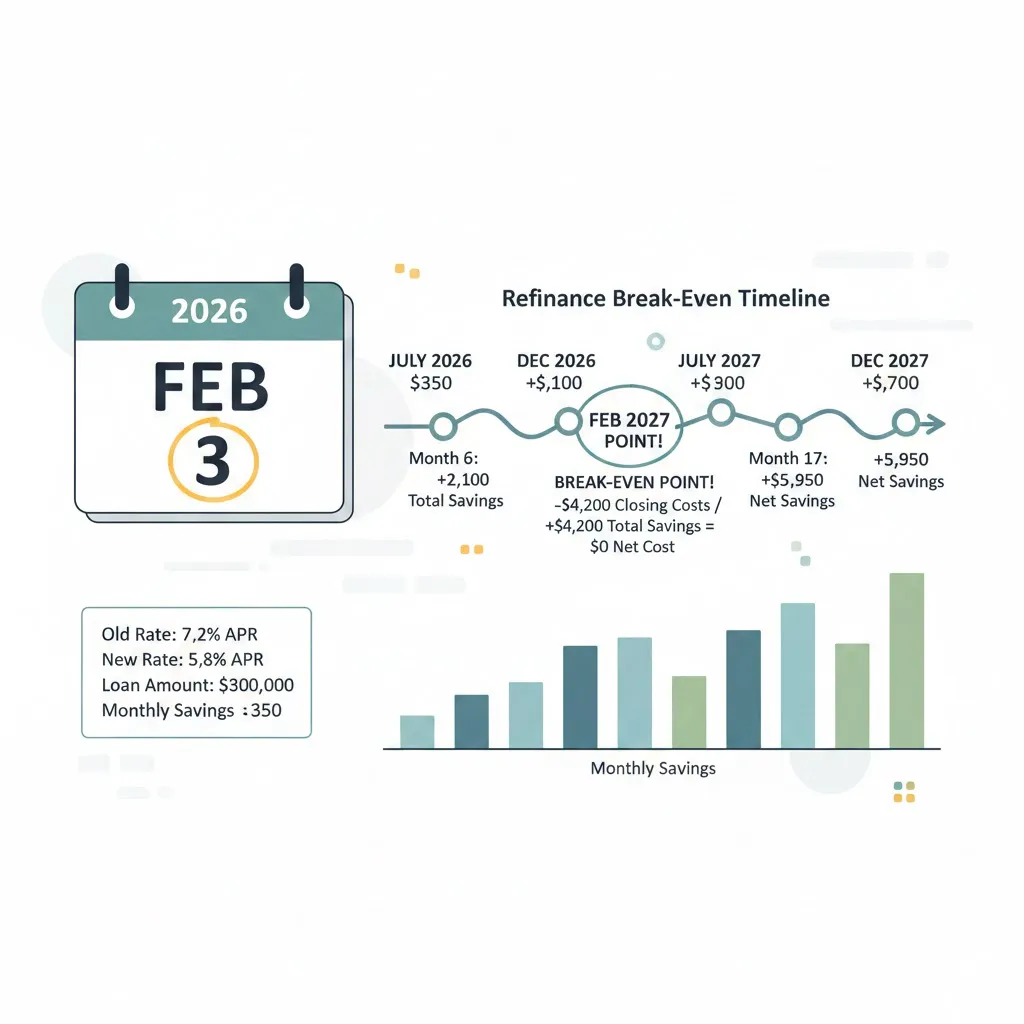
One of the most valuable outputs from a refinance calculator is the break-even point. This tells you how long it takes for monthly savings to offset closing costs.
Imagine refinancing costs $4,000 and saves you $200 per month. Your break-even point is about 20 months. If you plan to stay in the home longer, refinancing may be worthwhile. If not, it may not.
Refinance Scenarios Compared
| Scenario | Monthly Payment | Closing Costs | Break-Even Time | Best For |
|---|---|---|---|---|
| Lower rate, same term | Lower | Medium | Short | Payment reduction |
| Shorter term | Higher | Medium | Longer | Faster payoff |
| No-closing-cost refinance | Slightly higher | Low | Immediate | Short stays |
| Cash-out refinance | Higher | High | Varies | Accessing equity |
| Streamline refinance | Lower | Low | Short | FHA or VA loans |
This comparison shows why calculators matter—each refinance goal produces different results.
Common Mistakes When Using a Refinance Calculator
Many homeowners focus only on monthly savings and ignore total interest paid. Others forget to include closing costs, leading to overly optimistic outcomes.
A calculator is most powerful when you use it to compare total cost over time, not just the first month’s payment.

Disclaimer
This article is for general informational purposes only and does not constitute financial, legal, or mortgage advice. Calculator results are estimates and may vary. Consult qualified professionals before making decisions.
Pro Insight
Running multiple refinance calculator scenarios—different rates, terms, and cost structures—often reveals a better option than the first quote you receive.
Quick Tip
Always compare your current loan and new loan side by side using the same assumptions to avoid misleading results.
Frequently Asked Questions
What is a refinance calculator?
It’s a tool that estimates how refinancing affects payments, costs, and long-term savings.
Are refinance calculators accurate?
They provide estimates, but final numbers depend on lender terms and fees.
Can a refinance calculator show break-even time?
Yes. Most calculators include this feature or allow you to calculate it manually.
Should I include closing costs?
Absolutely. Ignoring them can distort savings projections.
How often should I use a refinance calculator?
Any time rates change or your financial situation shifts.
Conclusion
A refinance calculator transforms refinancing from guesswork into strategy. By revealing monthly savings, break-even timelines, and total cost differences, it helps homeowners decide with clarity—not emotion.
Before talking to lenders, let the numbers speak first.
Trusted U.S. Resources
Consumer Financial Protection Bureau — Refinance Tools
https://www.consumerfinance.gov
Federal Reserve — Mortgage Refinancing Basics
https://www.federalreserve.gov
U.S. Department of Housing and Urban Development — Refinance Guidance
https://www.hud.gov
About the Author