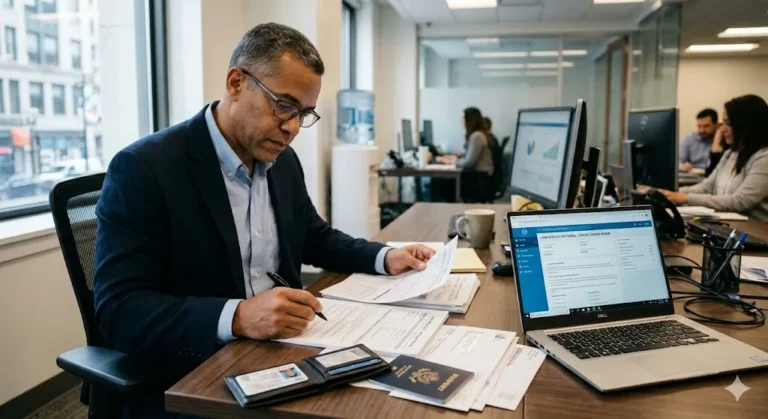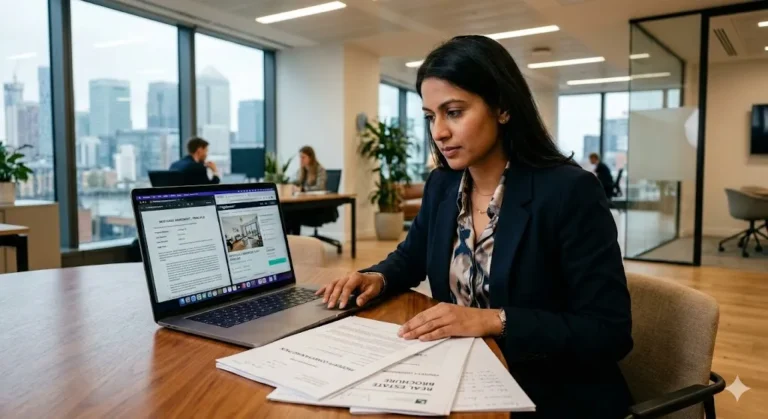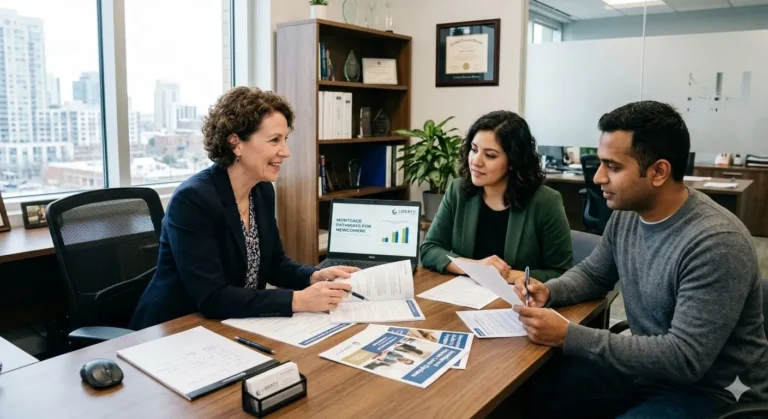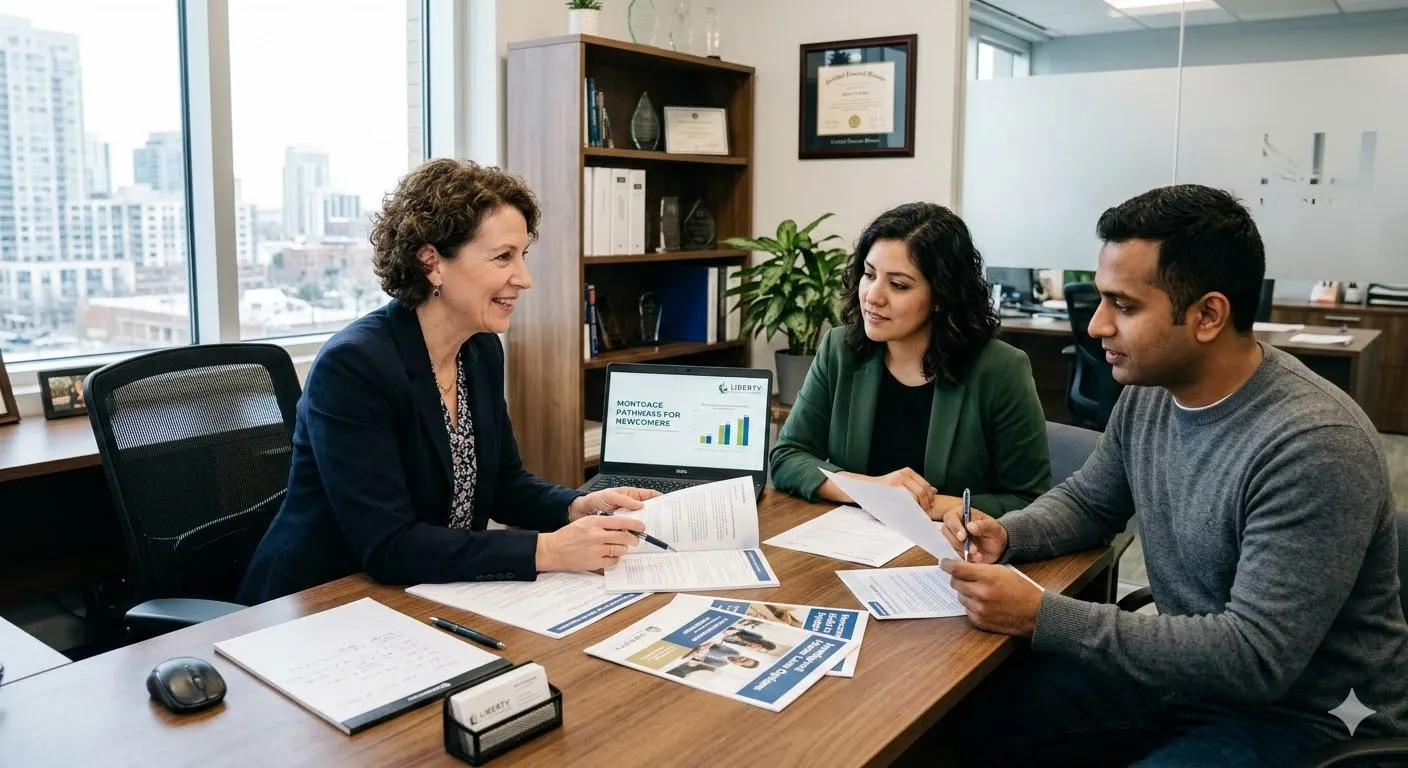
Immigrant mortgage lenders provide home loan programs designed for borrowers who are not U.S. citizens or who may not have a Social Security Number. These lenders evaluate alternative financial documentation, making it possible for immigrants, visa holders, and foreign nationals to purchase property in the United States.
While the process can involve additional requirements, many lenders offer specialized programs that recognize tax records, foreign income, or Individual Taxpayer Identification Numbers (ITINs) instead of traditional U.S. credit profiles.
Understanding how these lenders work can help immigrant borrowers prepare stronger mortgage applications.
What Immigrant Mortgage Lenders Do
Immigrant mortgage lenders focus on borrowers who may not meet the criteria for conventional mortgage programs. These lenders offer alternative underwriting that evaluates financial stability through documents other than U.S. credit history.
Common borrower profiles include:
- Green card holders
- Temporary visa holders (such as H-1B or L-1 workers)
- ITIN taxpayers without SSNs
- Foreign nationals purchasing property in the U.S.
Some programs allow applicants to qualify using foreign income or overseas financial assets if properly documented.
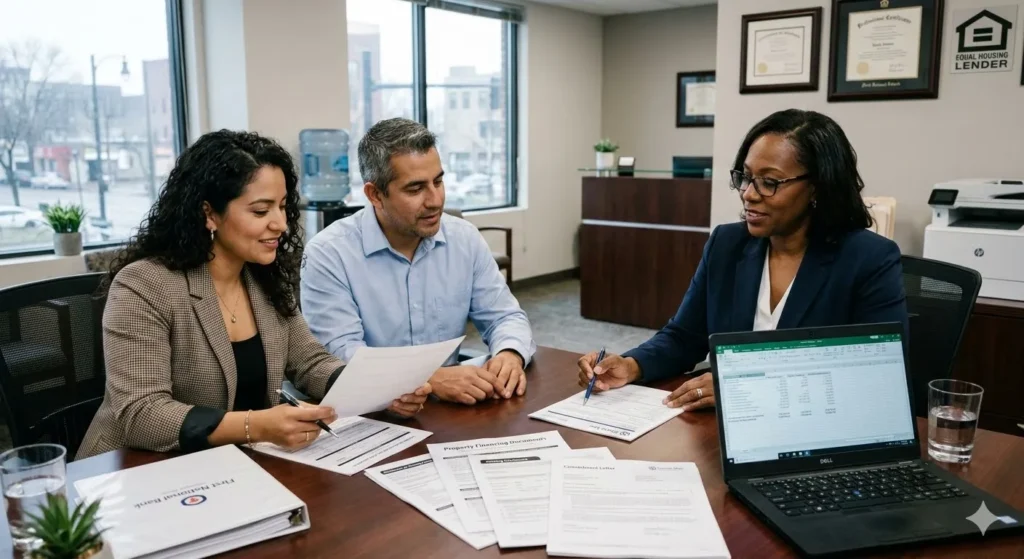
Types of Mortgage Programs for Immigrants
Immigrant mortgage lenders typically offer several types of home loans.
| Loan Type | Who It’s For | Key Feature |
|---|---|---|
| ITIN Mortgage | Borrowers without SSN | Uses Individual Taxpayer Identification Number |
| Foreign National Loan | Non-resident buyers | Uses foreign income and assets |
| Conventional Mortgage | Green card holders | Similar process as U.S. citizens |
| Non-QM Loans | Borrowers with alternative documentation | Flexible qualification criteria |
ITIN loans allow borrowers who file taxes with an ITIN to apply for mortgages even without Social Security numbers.
Common Requirements from Immigrant Lenders
Although lenders differ, most immigrant mortgage programs require the following documentation:
- Valid passport or identification
- ITIN or visa documentation
- Two years of income records or tax returns
- Bank statements showing savings or assets
- Down payment funds
Some lenders may also request employment verification or proof of consistent income to demonstrate repayment ability.
Higher down payments are often required compared with traditional mortgages.
Pro Insight
Borrowers who have established financial records in the United States—such as tax filings, consistent bank deposits, and stable employment—often improve their chances of approval. Even without a long U.S. credit history, documented financial stability can strengthen mortgage applications.
Clear documentation is especially important for immigrant borrowers.
Well-Known Lenders Offering Immigrant Mortgage Programs
Several lenders and specialized institutions offer mortgage programs tailored to immigrants and foreign nationals.
Examples commonly mentioned in industry guides include:
- Griffin Funding
- HomeAbroad
- Ameritrust Mortgage
- various credit unions offering ITIN loans
Some lenders focus specifically on non-resident or foreign-national borrowers who may lack U.S. credit history.
These programs expand homeownership access for international buyers.
Quick Tip
Before applying, organize your financial documents such as tax returns, bank statements, and proof of employment. Presenting a complete financial profile can speed up underwriting and improve approval odds.
Preparation reduces delays.
Challenges Immigrant Borrowers May Face
While immigrant mortgage lenders provide opportunities, certain challenges may arise.
Potential obstacles include:
- Larger down payment requirements
- Limited lender availability
- Detailed documentation requests
- Higher interest rates in some programs
Comparing multiple lenders helps identify the most competitive loan terms.
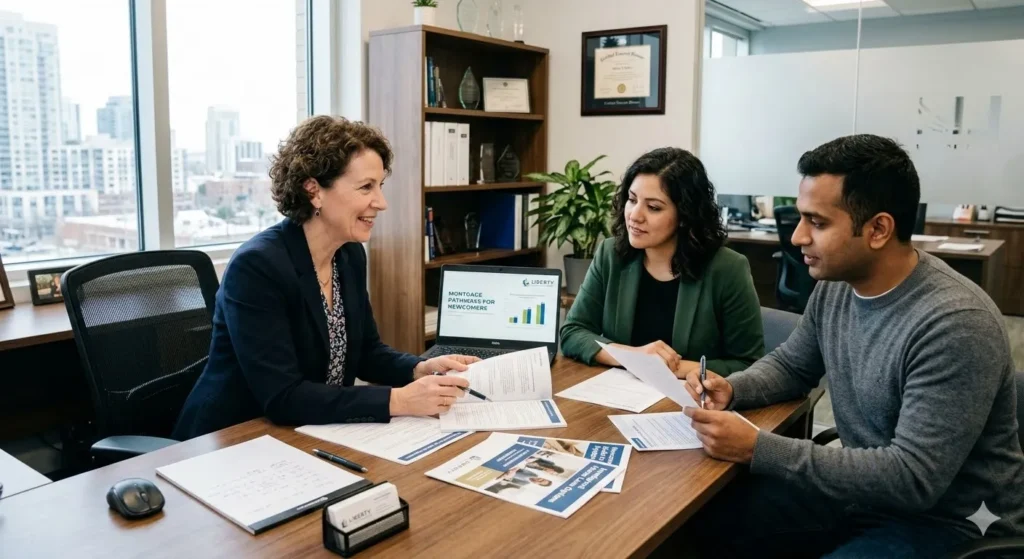
Example Immigrant Mortgage Scenario
Consider a borrower who recently moved to the United States and files taxes with an ITIN.
Instead of a traditional mortgage requiring a Social Security Number and long credit history, the borrower applies through a lender offering ITIN mortgages. The lender reviews tax returns, bank statements, and employment records before approving the loan.
This alternative evaluation process allows qualified immigrants to purchase homes despite limited U.S. credit history.
Frequently Asked Questions
Can immigrants get a mortgage in the United States?
Yes. Many lenders offer mortgage programs for immigrants, including green card holders, visa holders, and ITIN borrowers.
Do I need a Social Security Number?
Not always. Some lenders offer ITIN mortgages that allow borrowers to apply without an SSN.
Are down payments higher for immigrant borrowers?
Often yes. Many programs require larger down payments to reduce lender risk.
Can foreign nationals buy property in the U.S.?
Yes. Foreign nationals can purchase property and may qualify for specialized mortgage programs even without U.S. credit history.
Do immigrant mortgage lenders check income from other countries?
Some programs allow borrowers to qualify using foreign income or assets if properly verified.
Conclusion
Immigrant mortgage lenders help expand access to homeownership for borrowers who may not meet traditional lending requirements. By evaluating alternative documentation such as ITIN tax records, foreign income, and bank statements, these lenders provide financing pathways for immigrants and international buyers.
Careful preparation, organized financial records, and comparing lender options can significantly improve the chances of obtaining a mortgage and purchasing property in the United States.
https://www.consumerfinance.gov
https://www.hud.gov
https://www.fdic.gov
https://www.irs.gov
This article is for general informational purposes only and does not provide legal, financial, medical, or professional advice. Policies, rates, and regulations may change over time.
About the Author