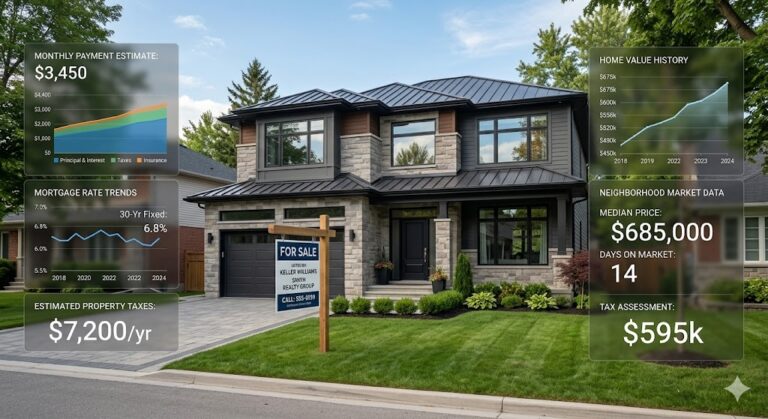
Financing a home is one of the most significant financial decisions most people make. Beyond choosing a property, the structure of your financing—loan type, interest rate, and long-term affordability—can shape your financial stability for years.
Smart homeownership financing isn’t about finding the lowest rate alone. It’s about building a sustainable plan that fits your income, goals, and risk tolerance.
Understanding Your Total Home Cost
Many first-time buyers focus on the purchase price, but the true cost of homeownership goes beyond that.
Your monthly housing expense typically includes:
- Mortgage principal and interest
- Property taxes
- Homeowners insurance
- Maintenance and repairs
A realistic budget accounts for all of these—not just the loan payment.
A simple framework:
Total\ Housing\ Cost = Mortgage + Taxes + Insurance + Maintenance
Ignoring these additional costs is one of the most common reasons buyers feel financially stretched after purchase.
Choose the Right Loan Type
Not all mortgages are the same, and the right choice depends on your situation.
Fixed-rate mortgages
- Stable monthly payments
- Predictable long-term costs
- Often preferred for long-term homeowners
Adjustable-rate mortgages (ARMs)
- Lower initial rates
- Rates adjust over time
- Can be useful for shorter ownership periods
Government-backed loans
- FHA, VA, and other programs
- Lower down payment options
- More flexible qualification requirements
Each option involves trade-offs between stability, cost, and flexibility.
Compare Financing Options Carefully

Shopping around can significantly impact your financing outcome.
| Factor | Why It Matters |
|---|---|
| Interest rate | Affects monthly payment and total cost |
| Loan term | Determines how long you pay |
| Closing costs | Upfront expenses vary by lender |
| Fees | Can add hidden costs |
| Flexibility | Options for refinancing or prepayment |
Even a small difference in interest rate can lead to noticeable savings over time.
Pro Insight
A slightly higher rate with lower fees can sometimes be more cost-effective than the lowest advertised rate. Always evaluate the total cost over time, not just the headline number.
Build a Strong Down Payment Strategy
A larger down payment can improve your financing position.
Benefits include:
- Lower monthly payments
- Reduced interest costs over time
- Potential to avoid private mortgage insurance (PMI)
- Stronger loan approval profile
That said, putting all your savings into a home can leave little room for emergencies. Balance is key.
Quick Tip
Keep an emergency fund even after your down payment. Homeownership often comes with unexpected expenses, and liquidity matters just as much as equity.
Understand Your Credit Impact
Your credit profile plays a major role in financing terms.
Lenders typically evaluate:
- Credit score
- Debt-to-income ratio
- Payment history
- Existing financial obligations
Improving your credit before applying can help secure better rates and loan terms.
Plan for Interest Rate Changes

Interest rates affect both affordability and long-term cost.
Consider:
- Locking in a rate when conditions are favorable
- Evaluating refinancing opportunities later
- Understanding how rate changes impact adjustable loans
A buyer who understands rate dynamics can make more informed timing decisions.
Avoid Common Financing Mistakes
- Stretching your budget to the maximum loan approval
- Ignoring total ownership costs
- Skipping pre-approval before house hunting
- Not comparing multiple lenders
- Overlooking future financial changes
A home purchase should fit your life—not strain it.
Frequently Asked Questions

How much house can I afford
It depends on income, debt, and expenses. Many lenders use debt-to-income ratios to estimate affordability.
What is a good down payment amount
Common ranges are 3% to 20%, depending on loan type and financial goals.
Should I choose fixed or adjustable rates
Fixed rates offer stability, while adjustable rates may offer lower initial costs.
How can I lower my mortgage rate
Improving credit, increasing down payment, and comparing lenders can help.
Is pre-approval necessary
It is not required, but it strengthens your position and clarifies your budget.
Conclusion
Homeownership financing is about more than securing a loan—it’s about building a financial structure that supports your long-term stability. From choosing the right mortgage type to understanding total costs and managing risk, each decision plays a role in your overall outcome.
A thoughtful approach—focused on affordability, flexibility, and planning—can help turn homeownership into a sustainable and rewarding investment.
Trusted U.S. Resources
https://www.consumerfinance.gov
https://www.hud.gov
https://www.federalreserve.gov
https://www.usa.gov
This article is for general informational purposes only and does not provide legal, financial, medical, or professional advice. Policies, rates, and regulations may change over time.
About the Author