Finding a homebuyer grant in the USA can feel like searching for a needle in a haystack—especially when programs change, eligibility rules shift, and not all opportunities are obvious. In 2026, a rising number of federal, state, and local grants exist to help first-time buyers and income-qualified households bridge the affordability gap.
These grants aren’t freebies handed out randomly. They’re designed to support specific goals: expanding access to homeownership, revitalizing communities, and helping buyers with down payment and closing costs. Knowing where to look and what lenders expect can make all the difference.
What homebuyer grants actually do (and don’t do)
Homebuyer grants can significantly reduce upfront costs—but they don’t erase mortgage requirements.
For example, a 29-year-old teacher in Ohio received a down payment assistance grant that covered $10,000 of her upfront costs. She still had to qualify for a mortgage, meet income limits, and complete a homebuyer education course. The grant didn’t replace her loan, but it made the purchase affordable.
Grants typically:
- Help with down payment and closing costs
- Are often forgivable if you stay in the home a set number of years
- Require income, purchase price, or location eligibility
Finding the right grant means matching your situation with program criteria.
Federal, state, and local programs compared
Understanding where grants come from helps you cast a wider net.
| Program level | Typical benefit | Common limits |
|---|---|---|
| Federal | Larger funding pools and broad programs | Often income and first-time buyer focus |
| State | Down payment assistance and tax credits | Income and residency requirements |
| Local | City/county targeted grants | Often tied to specific neighborhoods |
Federal programs sometimes require you to occupy the home for years before the grant is forgiven. State and local grants may have unique documentation needs. Knowing the differences improves your chances.
Who generally qualifies for a homebuyer grant
Eligibility varies widely, but most programs consider these factors:
A real-world example: a family in Phoenix with combined income near the area median qualified for a state grant and a city program because their income fit within multiple tiers. They completed a homebuyer education class and secured both sources for down payment aid.
Most grant programs evaluate:
- Household income relative to area median income (AMI)
- Whether you’re a first-time buyer (often defined as no ownership in past 3 years)
- Property location and purchase price limits
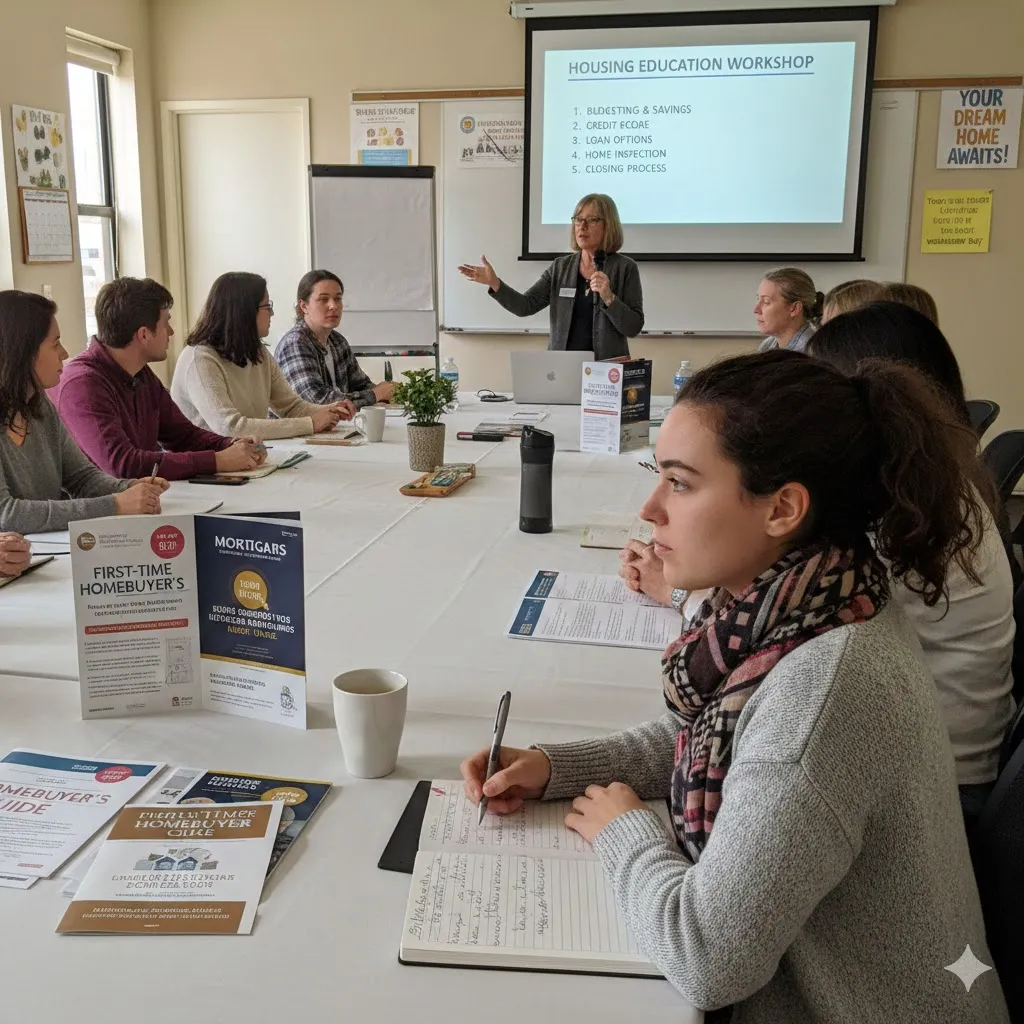
- Completion of required education courses
How to find and apply for grants in 2026
Start with these steps:
- Check HUD’s list of state and local homeownership programs.
- Explore down payment assistance through your state housing finance agency.
- Ask your lender about programs they work with regularly.
Many lenders maintain lists of current grants and add them to loan scenarios for eligible buyers.
Disclaimer
This content is for general informational purposes only and does not provide financial, legal, medical, or investment advice.
Pro Insight
Grant administrators often prefer buyers who demonstrate preparedness: complete documentation, proof of education courses, and clear financial profiles streamline approvals and reduce delays.
Quick Tip
Start your search early—in many areas, grant funding is limited and distributed on a first-come, first-served basis.
Common mistakes that slow down grant applications
One frequent error is waiting too long to apply. Because many grants have limited funds, eligible buyers who hesitate often miss out. Another issue is incomplete documentation—missing proof of income, tax returns, or education certificates can delay or disqualify an application.

Frequently asked questions about homebuyer grants USA
Are homebuyer grants truly “free money”?
Grants don’t have to be repaid if you meet program conditions, but you must still qualify for and close a mortgage loan.
Do I need to be a first-time buyer?
Many programs target first-time buyers, but some are available to repeat buyers who meet income or location criteria.
Can grants be used for closing costs?
Yes—many programs specifically assist with closing costs as well as down payment.
Will a grant affect my mortgage interest rate?
Grants generally don’t affect your rate, but they can improve affordability by reducing upfront cash needs.
How do I find out what programs I qualify for?
Start with your state housing finance agency, local city/county housing departments, and ask your lender for current listings.
Trusted U.S. sources
- https://www.hud.gov/topics/buying_a_home
- https://www.consumerfinance.gov/owning-a-home/loan-options/
- https://www.hud.gov/states
Homebuyer grants aren’t guaranteed, but they can make homeownership achievable for many who might otherwise struggle with upfront costs. With preparation and the right resources, you can uncover opportunities that align with your goals.
About the Author