Government-backed mortgages are some of the most powerful tools available for homebuyers in the U.S. — especially first-time buyers, veterans, rural families, and borrowers who need flexible credit requirements. In 2025, with high home prices and tighter lending standards, these loans have become even more valuable.
For informational purposes only — not legal or financial advice.
This guide breaks down how government-backed mortgages work, the differences between FHA, VA, and USDA loans, and how Americans can use them to buy a home with low or even zero down payment.
What Is a Government-Backed Mortgage?
A government-backed mortgage is a home loan insured or guaranteed by a federal agency. These agencies don’t lend money directly — instead, they insure lenders against loss.
Because lenders take less risk, borrowers get:
- Lower down payment requirements
- More flexible credit standards
- Better interest rates
- Easier approval
- Lower closing costs (in some cases)
The three government-backed mortgage types are:
- FHA loans (Federal Housing Administration)
- VA loans (Department of Veterans Affairs)
- USDA loans (U.S. Department of Agriculture)
Why Government-Backed Loans Matter in 2025
1. High Interest Rates
Government-backed loans often offer lower rates than conventional loans, helping buyers afford monthly payments.
2. Rising Home Prices
Low down payment options help buyers enter the market sooner instead of saving for years.
3. Easier Credit Requirements
Many Americans have credit scores below 700 — FHA and VA loans offer easier approval paths.
4. Zero-Down Options
The USDA and VA programs allow buyers to purchase homes with no down payment at all.
5. More Inclusive Lending
Government-backed programs are designed to support:
- First-time buyers
- Low- to moderate-income families
- Veterans & military families
- Rural households
Types of Government-Backed Mortgages
⭐ 1. FHA Loan (Most Popular Government-Backed Mortgage)
Designed for buyers with limited savings or imperfect credit.
Requirements & Benefits:
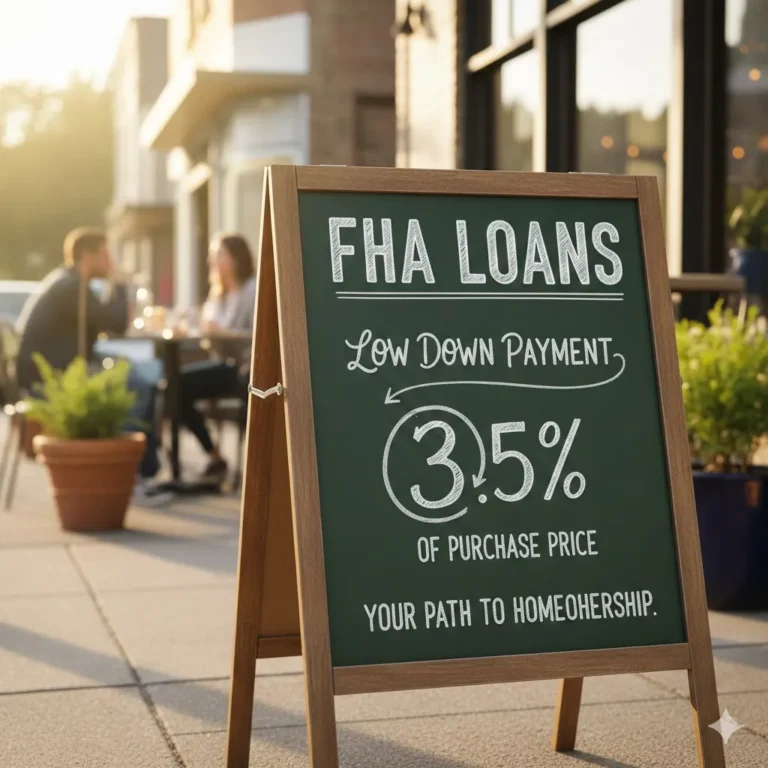
- Down payment: 3.5% with 580+ credit
- Can qualify with higher debt-to-income
- Great for first-time homebuyers
- Allows gift funds for down payment
- Requires mortgage insurance (MIP)
Perfect for buyers who need flexibility.
⭐ 2. VA Loan (Best for Veterans & Military Families)
For active-duty military, veterans, and eligible surviving spouses.
Top Benefits:
- 0% down payment
- No mortgage insurance
- Lower interest rates than FHA or conventional
- More flexible credit requirements
This is one of the strongest loan programs in the U.S.
⭐ 3. USDA Loan (Best for Rural & Suburban Areas)
Supports families buying in eligible rural and suburban communities.
Benefits:
- 0% down payment
- Lower mortgage insurance than FHA
- Income limits apply
- Property must be in USDA-approved area
Many buyers are surprised their ZIP code qualifies.
Key Differences Between Government-Backed Loans
| Feature | FHA Loan | VA Loan | USDA Loan |
|---|---|---|---|
| Down Payment | 3.5% | 0% | 0% |
| Credit Score | 580+ | Flexible | ~640 |
| Mortgage Insurance | Yes | No | Yes (lower) |
| Income Limits | None | None | Yes |
| Property Limits | FHA limits | No limits | Must be USDA-eligible |
| Best For | First-time buyers | Veterans | Rural buyers |
Who Should Choose a Government-Backed Mortgage?
Choose FHA if:
- You have credit below 680
- You need a small down payment
- You’re a first-time buyer
- You have higher DTI ratios
Choose VA if:
- You’re a veteran, active-duty member, or eligible spouse
- You want zero down and no mortgage insurance
- You want the lowest possible rate
Choose USDA if:
- You want zero down
- You meet income requirements
- You’re buying in a rural/suburban zone
Pros & Cons of Government-Backed Mortgages
Pros
- Low or zero down payment options
- Easier credit qualification
- Lower interest rates
- Government protection for lenders
- Helps buyers who struggle to qualify for conventional loans
Cons
- FHA requires mortgage insurance for the life of the loan
- USDA requires rural location eligibility
- VA loans have funding fees
- Some property restrictions
- Appraisal requirements may be stricter
Steps to Get Approved for a Government-Backed Mortgage
1. Check Your Credit Score
Most FHA buyers qualify with 580+.
2. Get Pre-Qualified
Lenders estimate how much home you can afford.
3. Provide Documentation
- W-2s or tax returns
- Pay stubs
- Bank statements
- Proof of VA eligibility (for VA loan clients)
4. Choose the Best Loan Program
Compare FHA vs VA vs USDA based on your situation.
5. Lock Your Interest Rate
Rate changes affect affordability more than the down payment.
Pro Insight
More than 40% of first-time homebuyers in the U.S. now use a government-backed mortgage. These programs exist to make homeownership possible — even in a tough market.
Frequently Asked Questions
Do government-backed mortgages have lower interest rates?
Generally yes — lenders offer better rates because the government reduces their risk.
Can I refinance a government-backed mortgage?
Yes. FHA, VA, and USDA all offer streamlined refinance programs.
Can I buy a fixer-upper with these loans?
Yes — FHA 203(k) and VA renovation loans allow repairs and upgrades.
Do I need perfect credit?
No. FHA and VA loans offer flexible approval even with lower scores.
Can I have more than one government-backed loan?
Sometimes — VA loans allow multiple usages depending on entitlement; FHA has rules for multiple properties.
External Authority Sources
https://www.consumerfinance.gov
https://www.hud.gov
https://www.usa.gov
About the Author