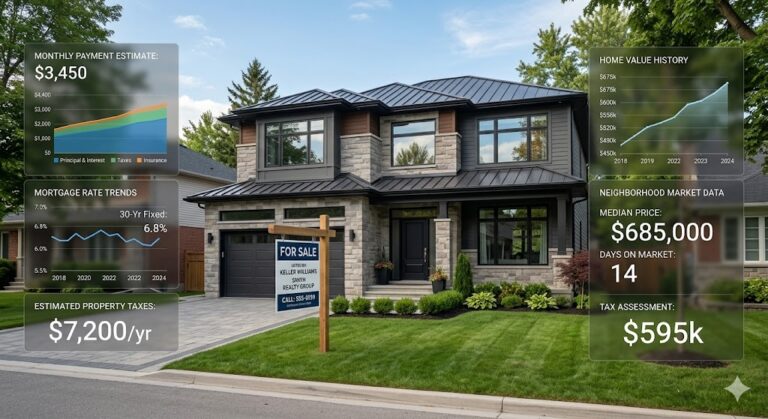
Buying your first home in the United States can feel overwhelming, especially when it comes to financing. Fortunately, a wide range of first-time homebuyer programs exist to make homeownership more accessible through lower down payments, reduced interest rates, and financial assistance.
Understanding how these programs work can help you take advantage of opportunities that many buyers overlook.
What First Time Homebuyer Programs Offer
First-time homebuyer programs are designed to reduce the financial barriers to buying a home.
Common benefits include:
- Low down payment requirements
- Down payment or closing cost assistance
- Flexible credit requirements
- Reduced interest rates in some cases
These programs are offered through federal agencies, state governments, and local housing authorities.
Major Federal Programs to Know
Several nationwide programs form the foundation of first-time buyer support.
FHA loans
- Backed by the Federal Housing Administration
- Down payments as low as 3.5%
- More flexible credit requirements
VA loans
- Available to eligible veterans and service members
- No down payment required in many cases
- Competitive interest rates
USDA loans
- Designed for rural and some suburban areas
- No down payment for qualified buyers
- Income limits apply
These programs are widely used because they lower the initial cost of homeownership.
State and Local Assistance Programs
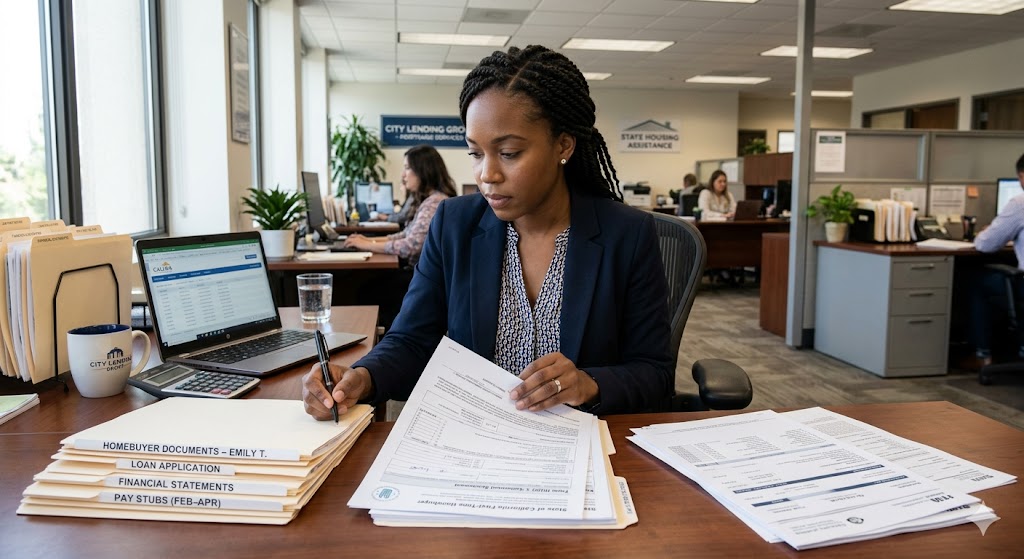
Beyond federal options, most states offer additional support.
These may include:
- Grants for down payments
- Deferred loans with no immediate repayment
- Tax credits for first-time buyers
- Special programs for teachers, healthcare workers, or public service employees
For example, a buyer may receive $5,000–$15,000 in assistance, depending on location and eligibility.
Comparing Program Types
| Program Type | Down Payment | Credit Flexibility | Best For |
|---|---|---|---|
| FHA Loan | Low (3.5%) | Flexible | First-time buyers with moderate credit |
| VA Loan | None | Flexible | Military and veterans |
| USDA Loan | None | Moderate | Rural/suburban buyers |
| State Programs | Varies | Varies | Buyers needing extra assistance |
Each option serves a different type of buyer, so matching your situation to the right program is key.
How to Qualify for Assistance
Eligibility requirements vary, but most programs consider:
- Income limits
- Credit score
- Employment history
- Property location
- First-time buyer status (often defined as not owning a home in the past 3 years)
Some programs also require homebuyer education courses before approval.
Pro Insight
Many buyers qualify for multiple programs at once. Combining a federal loan (like FHA) with state assistance can significantly reduce upfront costs.
Real-World Scenario
A first-time buyer earns a moderate income and has limited savings. Instead of waiting years to save 20%, they:
- Use an FHA loan with a 3.5% down payment
- Receive a state grant covering part of the down payment
- Complete a homebuyer education program
This combination allows them to purchase a home sooner while keeping monthly payments manageable.
Quick Tip
Check local housing authority websites early in your search. Some assistance programs have limited funding and operate on a first-come, first-served basis.
Common Mistakes to Avoid
- Assuming you need a 20% down payment
- Not exploring state or local programs
- Skipping pre-approval before applying for assistance
- Overlooking income eligibility limits
- Missing deadlines for program applications
Avoiding these mistakes can open more financing options.
Frequently Asked Questions

Who qualifies as a first time homebuyer
Typically, someone who has not owned a home in the past three years.
Do I need perfect credit to qualify
No, many programs are designed for buyers with average or improving credit.
Can I combine multiple programs
Yes, in many cases federal and state programs can be used together.
Are there income limits for these programs
Yes, many programs have income caps based on location and household size.
Do first time buyer programs reduce monthly payments
They can, especially if they lower your loan amount or interest rate.
Conclusion
First-time homebuyer programs in the USA provide valuable pathways into homeownership, especially for those facing high upfront costs. From federal loan options to state-level assistance, these programs can make a meaningful difference in affordability.
By understanding what’s available and planning carefully, first-time buyers can move forward with greater confidence and fewer financial barriers.
Trusted U.S. Resources
https://www.hud.gov
https://www.consumerfinance.gov
https://www.fanniemae.com
https://www.usa.gov
This article is for general informational purposes only and does not provide legal, financial, medical, or professional advice. Policies, rates, and regulations may change over time.
About the Author