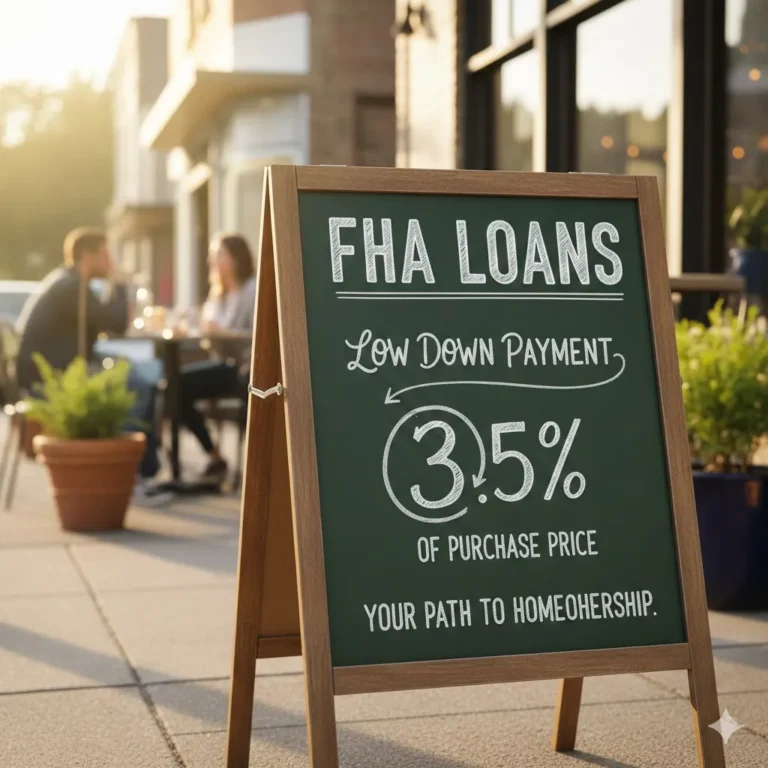
Buying your first home feels exciting and overwhelming at the same time. Knowing first-time buyer mortgage requirements in 2026 can make that dream move from wishful thinking to confident action. With rates still shifting and lenders tightening documentation, clarity on what’s expected matters more than ever.
First-time buyer mortgages aren’t secret formulas. They’re a set of standards that lenders use to decide whether you’re ready for a big commitment. Understanding those standards early helps you prepare, avoid surprises, and build momentum toward approval.
What lenders look for in first-time homebuyers
When you apply for a mortgage, lenders evaluate your financial health from several angles. Think of it like a health checkup: they want to see strength, stability, and resilience.
One real scenario: a 27-year-old teacher who’s rented for years wants to buy her first home. She’s saved a modest down payment, keeps bills up-to-date, and has a steady job. Her lender checks her income, debts, credit history, and even job stability before saying yes.
Lenders typically consider:
- Credit score and report history
- Income and employment stability
- Debt-to-income (DTI) ratio
- Down payment amount
- Cash reserves
Preparation here reduces stress and improves your chances.
Credit score vs down payment in everyday terms
Two numbers often confuse first-time buyers: credit score and down payment.
| Requirement | What it means | Typical expectation |
|---|---|---|
| Credit score | Shows reliability in repaying debt | 620+ for most conventional loans |
| Down payment | Money you pay upfront | 3–20% of home price depending on program |
A higher credit score can offset a smaller down payment requirement, while a larger down payment can strengthen your application even if your score isn’t perfect.
Income and debt: how your budget matters
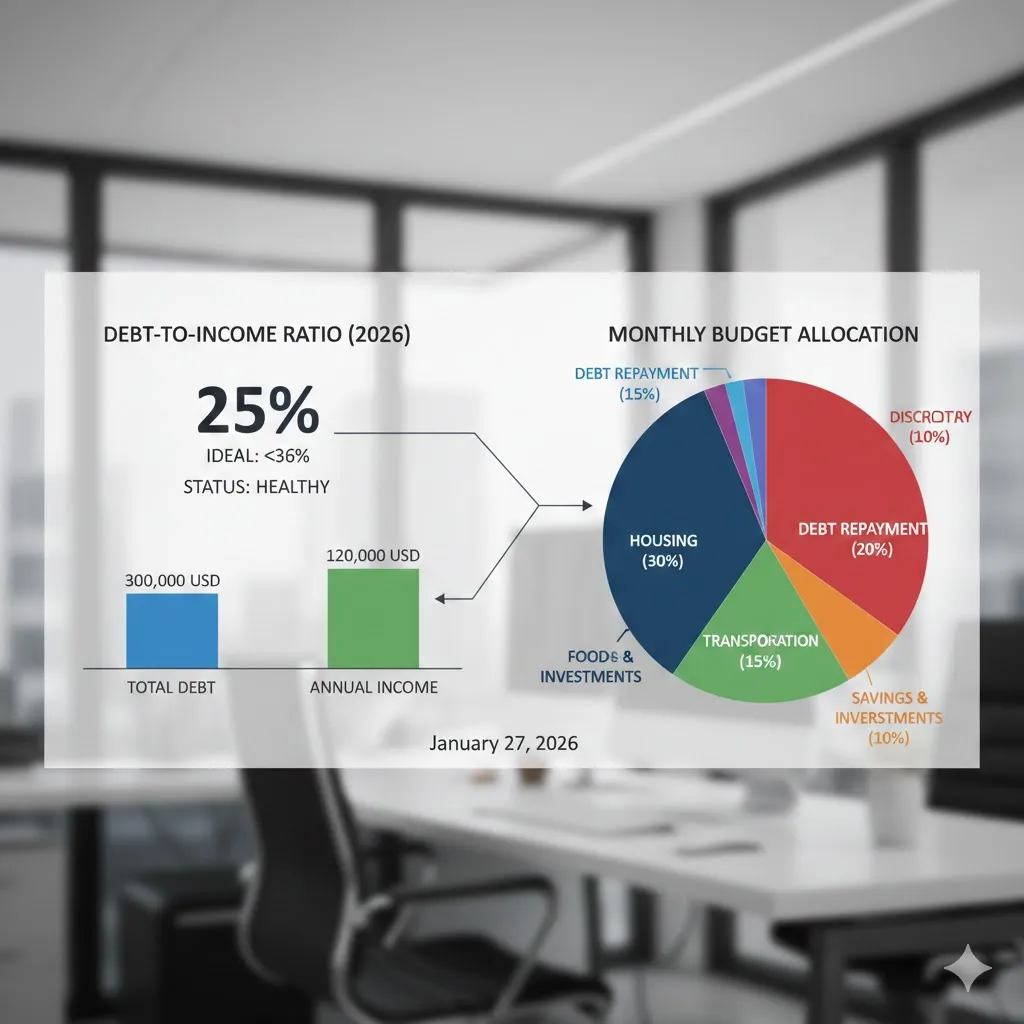
Lenders want assurance you can make monthly mortgage payments without sacrificing essentials. That’s where your debt-to-income ratio comes in.
Picture a 30-year-old engineer with student loans and a car payment. Even with good income, lenders check total monthly debts against gross monthly income. Lower DTI ratios mean lenders see less risk.
Different lenders and programs use slightly different thresholds, but keeping debts modest relative to income helps first-time buyers stand out.
Special first-time buyer mortgage programs you should know
Beyond standard loans, many first-time buyers qualify for programs with softer requirements, like lower down payments or flexible credit criteria. Options include:
- FHA loans
- USDA loans in eligible rural areas
- VA loans for qualified service members
- State and local first-time buyer assistance programs
These programs often have income limits, property requirements, and specific documentation steps, so early research pays off.
Disclaimer
This content is for general informational purposes only and does not provide financial, legal, medical, or investment advice.
Pro Insight
Lenders don’t just see numbers; they see patterns. A consistent payment history and clear employment trajectory often matter as much as raw scores and percentages.
Quick Tip
Before applying, pull your credit report from all three bureaus and correct errors. Even small fixes can lift scores and strengthen your mortgage profile.
Common mistakes that slow down first-time buyers
Trying to qualify without preparation is the biggest pitfall. Some buyers make major purchases before closing, open new credit accounts, or change jobs mid-process — each action can trigger lender setbacks. Patience and planning reduce surprises.

Frequently asked questions about first-time buyer mortgage requirements
What minimum credit score do I need?
Most conventional lenders look for a score of at least 620, but government-backed loans may accept lower scores with compensating factors.
How much down payment do I really need?
It depends on the loan type — from as low as 3% for some conventional loans to 0% for USDA or VA loans if you qualify.
What’s a good debt-to-income ratio?
Lenders often prefer DTI ratios below 43%, but stronger profiles can qualify with higher ratios depending on compensating strengths.
Can first-time buyers get help with closing costs?
Yes — some assistance programs and lender credits are available to qualified buyers.
Does employment history affect approval?
Yes. Stable employment — typically at least two years in the same field — reassures lenders.
Trusted U.S. sources
- https://www.consumerfinance.gov/owning-a-home/loan-options/
- https://www.hud.gov/program_offices/housing/fhahistory
- https://www.fanniemae.com/first-time-buyer
First-time buyer mortgage requirements don’t have to feel like barriers. With preparation, clarity, and the right strategy, buying your first home becomes a planned and achievable milestone.
About the Author