First home buyer assistance explained for 2026 with clear programs, how to qualify, and real-life examples that make the money part less stressful.
Buying your first home is exciting—but the costs can feel overwhelming. Fortunately, in the USA there are first home buyer assistance programs designed to help with down payments, closing costs, and sometimes even interest rates. Many buyers miss these benefits because they don’t know what’s available or how to qualify.
For example, two first-time buyers in the same city may see very different out-of-pocket needs simply because one used assistance programs and the other did not. Learning about your options early can change what price range you can realistically afford.
What First Home Buyer Assistance Really Means
First home buyer assistance includes financial help from:
- federal programs
- state and local programs
- nonprofit or community lenders
- employer-assistance plans
These programs can offer:
- down payment aid
- closing cost help
- lower interest rates
- tax credits
- special loan eligibility
However, eligibility varies widely by location and financial profile. That’s why planning ahead matters.
If you’re still early in the process, pairing this with a home loan requirements guide can help you plan a budget that integrates assistance smoothly.

Federal Assistance Programs Most Buyers Use
Several federal programs can help first-time buyers or people who haven’t owned a home recently.
FHA Loans
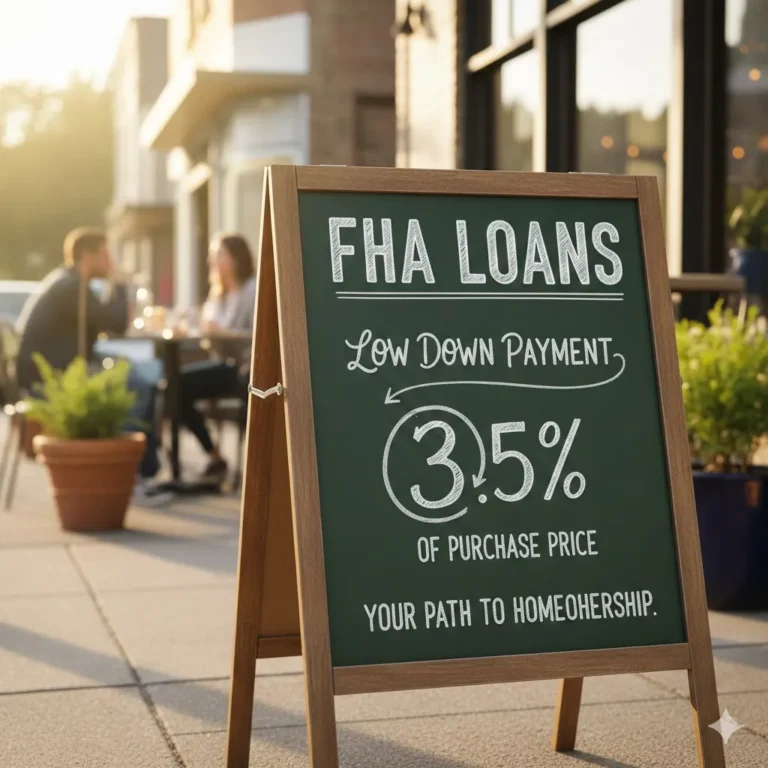
Offered by the Federal Housing Administration, these loans often require lower down payments and more flexible credit requirements.
USDA Loans
Available for eligible rural and certain suburban areas, these loans can offer low or zero down payment options.
VA Loans
For many veterans and active service members, VA loans offer zero down payment and strong terms.
First-Time Homebuyer Tax Credit
In some years and states, tax credits reduce your federal tax bill if you buy your first home.
Federal programs provide a foundation, but many buyers layer these with state or local help for greater support.
State & Local First Home Buyer Assistance
Many states, counties, and cities run their own programs—each with unique rules.
Common benefits include:
- down payment grants (may not need repayment)
- low-interest second mortgages
- closing cost assistance
- deferred payment loans (no payment until resale)
Real-life micro-scenario:
A first-time buyer in New York City uses a state down payment grant plus a local city closing cost program. Instead of coming up with 10% in cash, they only needed about half of that at closing.
Programs differ by location. Searching local housing authority websites or speaking with a housing counselor reveals specific opportunities early.
How to Qualify for Assistance
Assistance programs usually check the same basics:
- first-time buyer status
- income limits
- credit history
- purchase price limits for the area
- completing a home buyer education course
Many programs require a short education or counseling class before closing. This upfront step helps ensure you understand your mortgage and long-term costs.
If you want a smoother process, a mortgage pre-approval guide can help you organize documents and expectations before applying for assistance.
First Home Buyer Assistance Comparison Table
| Program Type | Typical Benefit | Who It Helps Most |
|---|---|---|
| FHA Loan | Lower down payment | Moderate income buyers |
| USDA Loan | Low or 0% down | Rural/suburban buyers |
| VA Loan | 0% down + perks | Veterans & service members |
| State/Local Grants | Down payment/closing cost aid | Income-qualified buyers |
| Tax Credits | Reduced tax bill | Buyers in eligible jurisdictions |
Seeing these side-by-side helps you pick combinations that strengthen your offer financially.
How Assistance Affects Your Offer and Budget
First home buyer assistance doesn’t just lower upfront costs. It can also:
- improve your monthly cash flow
- reduce how much you need to borrow
- make your offer stronger to sellers
- save you money over the life of the loan
For example, if a program helps with closing costs, you can use more of your savings for repairs, moving expenses, or immediate needs after buying.
However, assistance can have requirements like:
- owner occupancy
- resale restrictions for a set time
- repayment on refinance or sale
Always check the fine print.
Pro Insight
Some programs offer forgivable loans, meaning if you live in the home for a set number of years, you don’t have to pay back the assistance funds. That can dramatically reduce your long-term housing cost.
Common Mistakes First Buyers Make
Waiting to research programs
Many buyers find out about assistance too late—after closing costs are due.
Not checking income limits
Programs often cap income. A small misstep in calculation can disqualify you.
Ignoring education requirements
Skipping or misunderstanding required courses delays approval.
Thinking assistance covers everything
Most programs help some costs, not all costs. Planning realistic budgets matters.
A home budget planning guide can help you align expectations with assistance results.
Quick Tip
Start your assistance research early—before you make an offer. That ensures you understand deadlines and documentation needed for each program.
FAQs About First Home Buyer Assistance
Who qualifies as a first-time home buyer?
Often someone who hasn’t owned a home in the past three years, but rules vary by program.
Can assistance be combined with any loan?
Many programs work with FHA, USDA, conventional, and VA loans—but check each program’s rules.
Do I have to repay assistance?
Some are grants (no repayment). Others may be deferred loans or require repayment if you sell early.
Does assistance affect my mortgage rate?
It usually does not affect rate directly, but better budgeting can improve your financial profile.
Are there hidden fees with assistance?
Always read program terms. Some have origination or administrative costs.
Disclaimer
This article is for general informational purposes only and does not provide financial, legal, or mortgage advice. Assistance programs and eligibility vary by location and individual circumstances.
Trusted U.S. Sources
- https://www.consumerfinance.gov/owning-a-home/
- https://www.hud.gov/buying/localbuying
- https://www.hud.gov/states
About the Author