
Equipment financing allows businesses to acquire machinery, vehicles, technology, or specialized tools without paying the full cost upfront. Instead of using large amounts of working capital, companies spread payments over time while putting the equipment to use immediately.
For many small and mid-sized businesses, access to equipment directly impacts productivity and revenue. The right financing structure can preserve cash flow while supporting operational growth.
Understanding how equipment financing works helps you evaluate whether it fits your business strategy.
What Is Equipment Financing?
Equipment financing is a loan or lease specifically used to purchase business-related equipment. The equipment itself typically serves as collateral for the financing agreement.
This structure reduces lender risk and can make approval easier compared to unsecured business loans.
Commonly financed items include:
- Construction machinery
- Manufacturing equipment
- Commercial vehicles
- Medical devices
- Restaurant equipment
- Technology and IT hardware
The equipment generates revenue while being paid off over time.
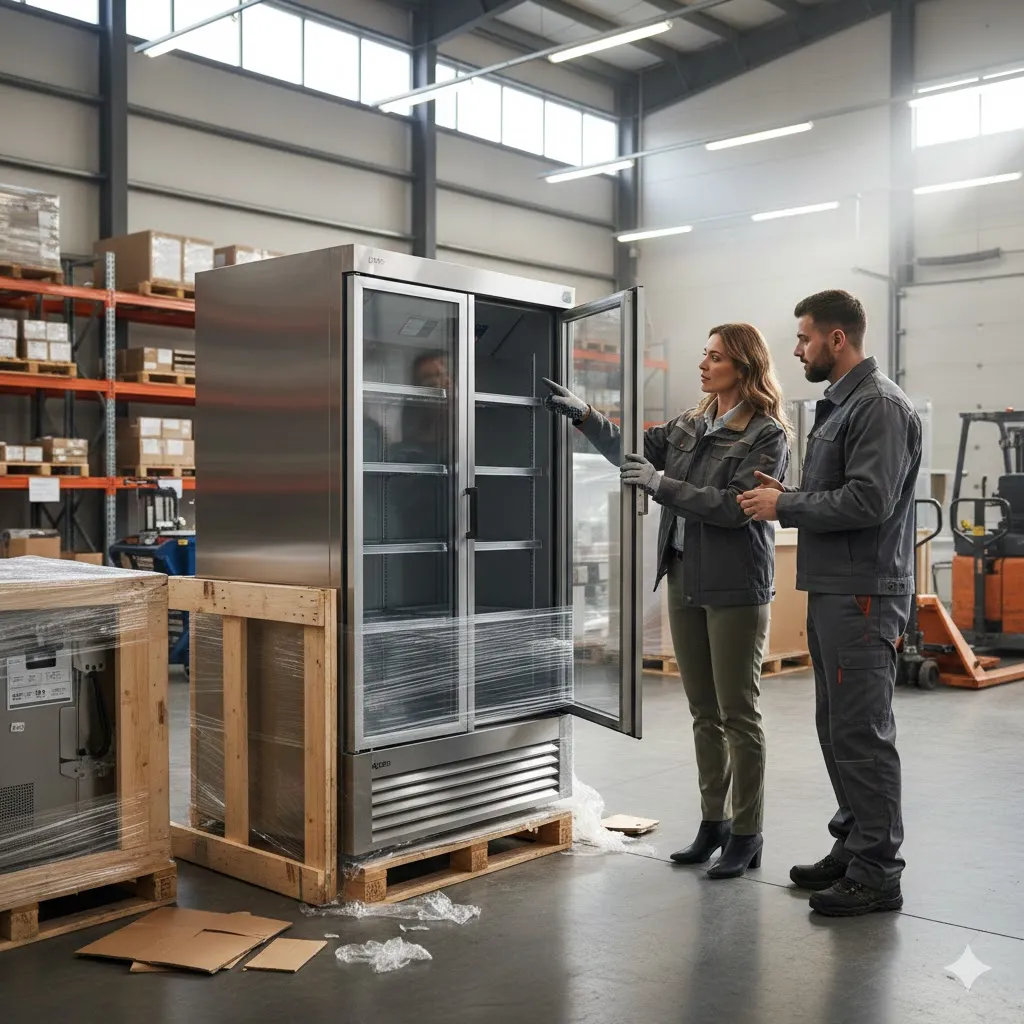
How Equipment Financing Works
The process generally follows these steps:
- The business selects equipment from a vendor.
- A lender evaluates the application, credit profile, and equipment value.
- The lender pays the vendor directly.
- The business repays the lender in scheduled installments.
Loan terms vary depending on equipment type, credit strength, and repayment period. Because the asset secures the financing, down payments may be lower than traditional loans.
Ownership typically transfers fully to the business after repayment in a loan structure.
Equipment Loan vs. Equipment Lease
Businesses often compare loans and leases before making a decision.
| Feature | Equipment Loan | Equipment Lease |
|---|---|---|
| Ownership | Yes, after payoff | Usually no (unless buyout option) |
| Upfront Cost | May require down payment | Often lower upfront |
| Monthly Payment | Fixed repayment | Often lower monthly payments |
| Long-Term Cost | Generally lower overall | May cost more over time |
| Upgrade Flexibility | Limited | Easier with lease renewal |
A loan is often preferred when the equipment will be used long term. Leasing may suit rapidly evolving technology where upgrades are expected.
The right choice depends on usage horizon and capital planning.
Pro Insight
Equipment financing works best when the asset directly contributes to revenue generation. Financing a delivery vehicle for a logistics company differs from financing office furniture. Revenue-producing equipment can justify financing costs more clearly.
Align the financing decision with measurable return potential.
Benefits of Equipment Financing
Businesses often pursue equipment financing to:
- Preserve working capital
- Avoid large upfront expenses
- Maintain operational continuity
- Access updated technology
- Spread tax-deductible expenses over time (subject to applicable rules)
For example, a landscaping company secures financing for additional commercial mowers ahead of peak season. Instead of draining cash reserves, the company uses financing to expand capacity while continuing normal operations.
Strategic timing supports growth.
Quick Tip
Before signing an agreement, calculate the total repayment amount — not just the monthly installment. Compare this figure to projected revenue generated by the equipment to ensure sustainability.
Affordability depends on total cost, not monthly appearance.
Approval Factors Lenders Consider
Equipment financing approvals typically review:
- Business credit history
- Time in operation
- Revenue consistency
- Equipment type and resale value
- Personal credit (for smaller businesses)
Because the equipment acts as collateral, lenders may approve financing even if business credit is limited, provided the asset holds strong value.
Newer businesses may face higher interest rates or require a larger down payment.
Potential Risks and Considerations
While equipment financing provides access to essential assets, there are considerations:
- Missed payments could lead to equipment repossession
- Interest costs increase total expense
- Equipment depreciation may exceed loan balance in early years
- Rapid technological change may reduce asset value
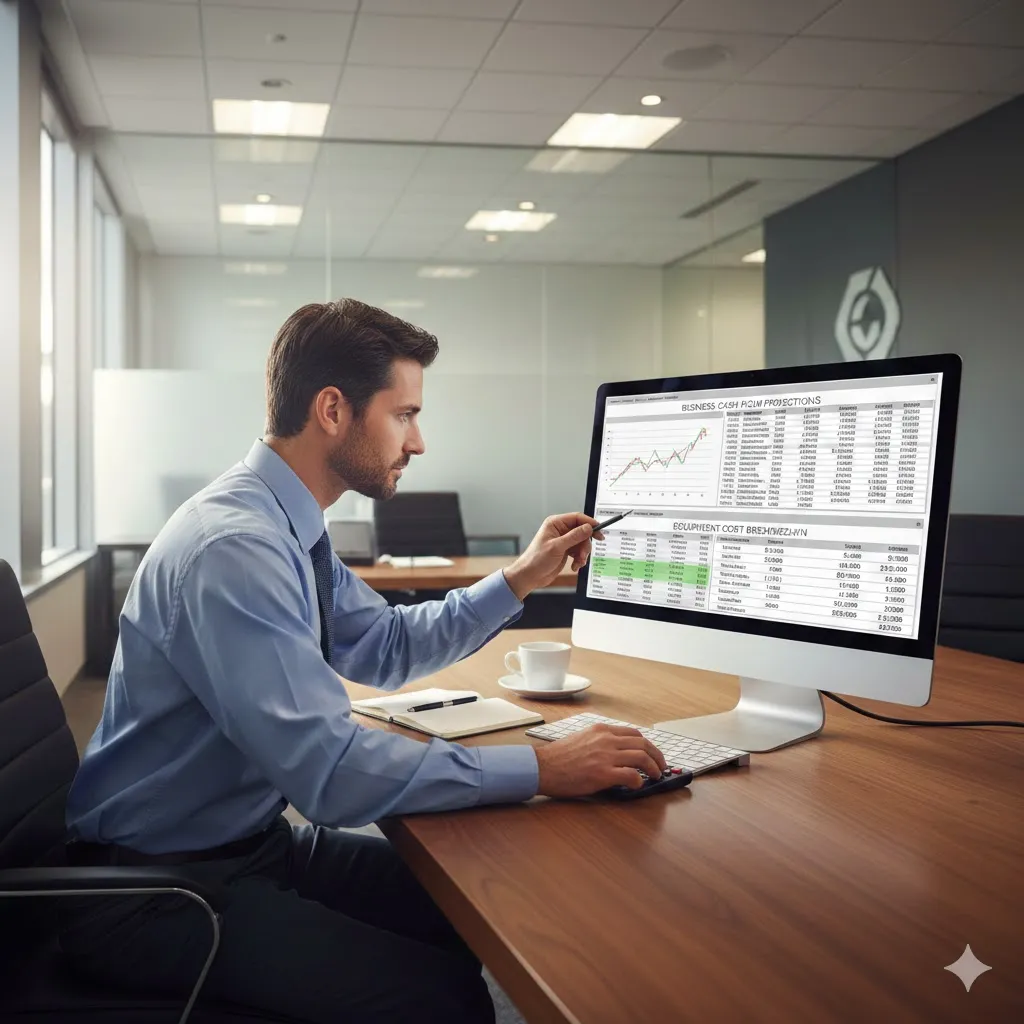
Careful planning reduces exposure to these risks. Financing should match realistic cash flow projections.
Long-term success depends on balance between growth and sustainability.
Frequently Asked Questions
Is equipment financing considered debt?
Yes, equipment loans are typically structured as secured debt. Lease agreements may be structured differently depending on terms.
Can startups qualify for equipment financing?
Some lenders approve startups, especially if the equipment has strong resale value. Approval terms may vary based on credit strength.
What credit score is needed?
Requirements differ by lender, but stronger personal and business credit profiles generally secure better terms.
Are equipment lease payments tax deductible?
Tax treatment varies depending on structure and current regulations. Consulting a qualified tax professional is recommended.
How long are equipment financing terms?
Terms often range from two to seven years, depending on the equipment type and expected lifespan.
Conclusion
Equipment financing offers businesses a structured way to acquire essential assets without compromising immediate cash flow. Whether through a loan or lease, the arrangement allows companies to deploy equipment quickly while managing payments over time.
The key is aligning financing with revenue generation, understanding total costs, and evaluating long-term operational impact. When used strategically, equipment financing can support expansion while maintaining financial stability.
https://www.sba.gov
https://www.sec.gov
https://www.investor.gov
https://www.irs.gov
This article is for general informational purposes only and does not provide legal, financial, medical, or professional advice. Policies, rates, and regulations may change over time.
About the Author