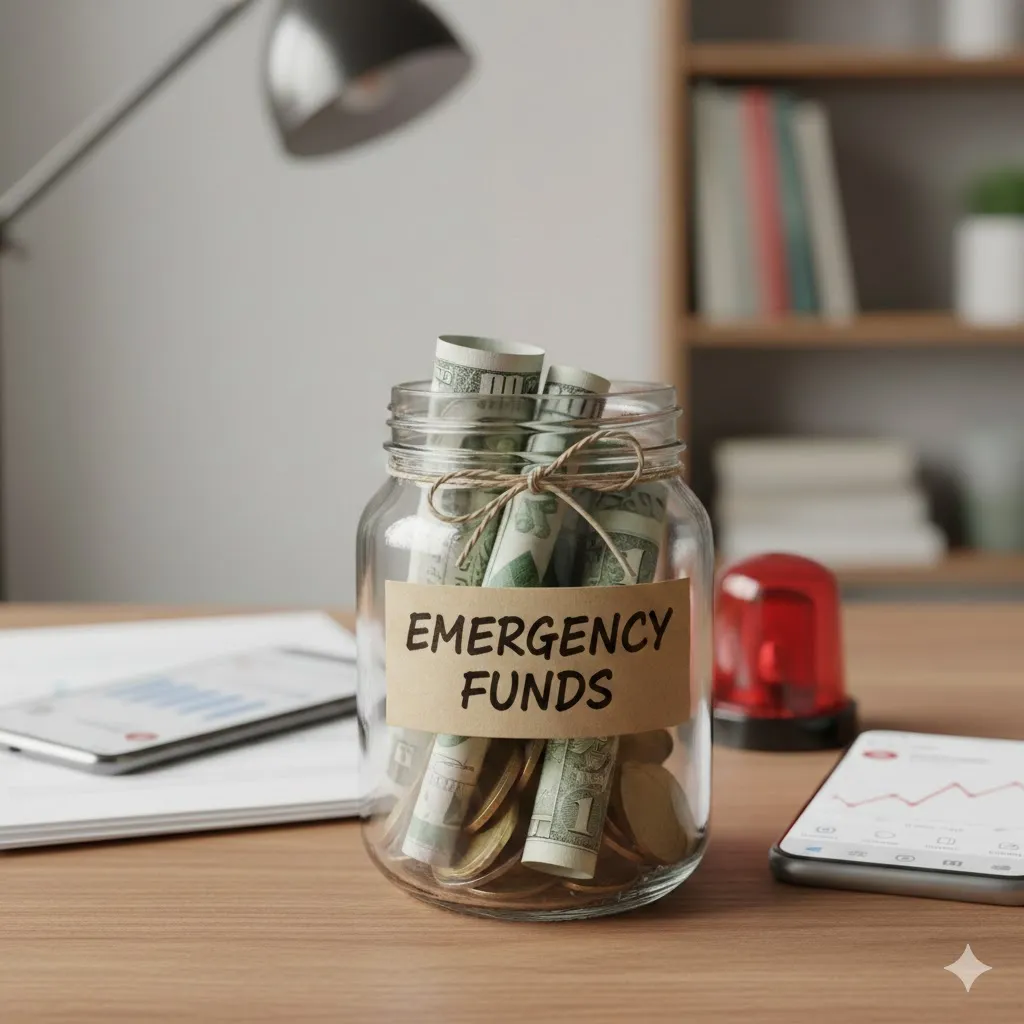
Learn what emergency funds are, how much to save, and how they protect your finances when unexpected expenses appear.
When people search for emergency funds, they’re usually reacting to uncertainty. A job change, a medical bill, a broken car, or a sudden move can turn everyday life upside down. An emergency fund isn’t about wealth—it’s about stability. It gives you room to breathe when life doesn’t follow a plan.
Why Emergency Funds Matter More Than Ever
Unexpected expenses rarely arrive one at a time. Inflation, job market shifts, and rising living costs have made financial shocks more common. Emergency funds act as a buffer, helping you avoid high-interest debt or rushed decisions.
For example, a renter who loses a job may need weeks to secure new income. Without savings, credit cards become the default option. Meanwhile, someone with even a modest emergency fund can cover essentials while planning their next step calmly.
That emotional relief is often the biggest benefit.
What Counts as a Real Emergency Fund
An emergency fund is money set aside specifically for unexpected and necessary expenses. It’s not for vacations, shopping, or planned purchases. True emergencies usually involve health, housing, transportation, or income disruptions.
The key is accessibility. Emergency funds should be easy to reach without penalties or market risk. That’s why savings accounts and money market accounts are commonly used.
How Much Should an Emergency Fund Be?
| Situation | Suggested Emergency Fund |
|---|---|
| Stable income, few expenses | 3 months of essentials |
| Variable income or freelance | 6 months of essentials |
| Single-income household | 6+ months of essentials |
| Homeowners with dependents | 6–9 months of essentials |
There is no universal number. The right amount depends on income stability, monthly obligations, and personal comfort with risk.
Where to Keep Emergency Funds Safely
Liquidity matters more than returns. Emergency funds are not investments. They’re insurance for your daily life.
Many people choose high-yield savings accounts because they offer modest interest while keeping funds accessible. Separating this account from everyday spending can also reduce temptation.
How to Build an Emergency Fund Gradually
Building emergency funds doesn’t require large deposits. Consistency matters more than speed. Small, automatic transfers often work better than waiting for “extra” money that never seems to appear.
For example, setting aside a small amount each paycheck creates progress without stress. Over time, even modest contributions add up.
Pro Insight
Emergency funds don’t just protect finances—they protect decision-making. People with savings are less likely to accept bad loans, unsafe jobs, or unhealthy living situations out of desperation.
Quick Tip
If saving feels overwhelming, start with a one-month emergency fund. That first milestone often builds confidence and momentum.
Disclaimer
This content is for educational and informational purposes only and does not constitute financial, investment, or legal advice. Individual financial situations vary, and decisions should be made based on personal circumstances.
FAQs About Emergency Funds
Are emergency funds the same as savings accounts?
Not exactly. Emergency funds are savings with a specific purpose and usage rule.
Should emergency funds be invested?
Generally no. Market risk can reduce access when funds are needed most.
What if I have debt—should I still save?
Many experts recommend building a small emergency fund first to avoid future debt cycles.
Can emergency funds be used for rent or groceries?
Yes, if income is disrupted and essentials must be covered.
How often should I review my emergency fund?
At least once a year or after major life changes like moving or job changes.
Sources
- Consumer Financial Protection Bureau – https://www.consumerfinance.gov/consumer-tools/savings/
- Federal Reserve – https://www.federalreserve.gov/consumerscommunities/savings.htm
- Investopedia – https://www.investopedia.com/terms/e/emergency_fund.asp
- Fidelity – https://www.fidelity.com/viewpoints/personal-finance/emergency-fund
About the Author