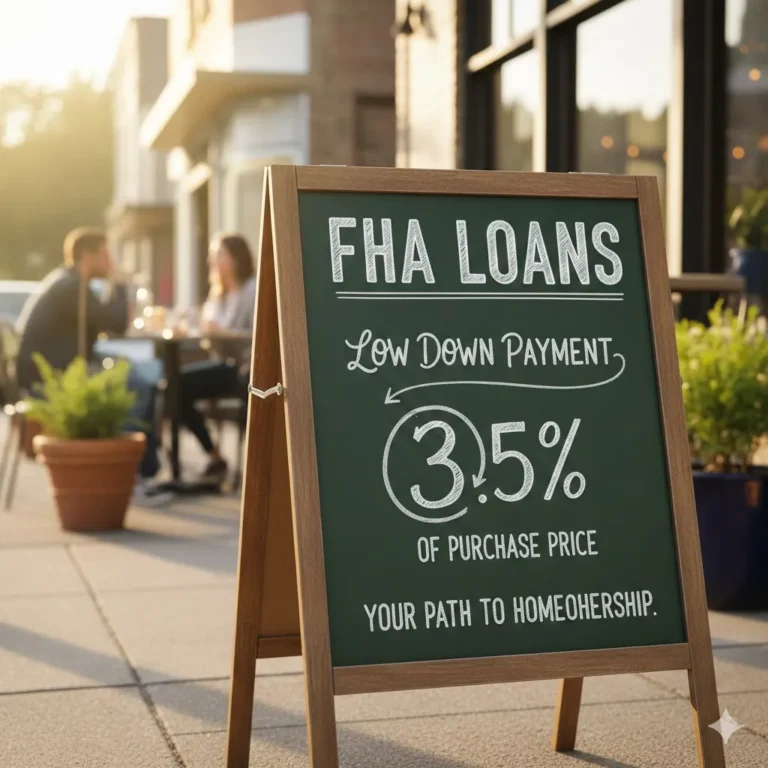
A clear guide to down payment assistance programs in the U.S., explaining how they work, who qualifies, and what to know in 2026.
Down payment assistance programs have become a quiet lifeline for many Americans trying to buy their first home. As home prices remain high and saving feels harder than ever, these programs help bridge the gap between renting and owning—without shortcuts or unrealistic promises.
In 2026, understanding how down payment assistance works is no longer optional for first-time buyers. It can be the difference between waiting indefinitely and moving forward with confidence.
What a Down Payment Assistance Program Really Is
A down payment assistance program (often called DPA) helps eligible homebuyers cover some or all of the upfront costs required to purchase a home. This usually includes the down payment and, in some cases, closing costs.
Instead of handing out free money with no rules, most programs are structured as grants, low-interest loans, or deferred-payment assistance. The goal is simple: reduce the initial cash barrier so qualified buyers can enter the housing market responsibly.

For many buyers, especially those with stable income but limited savings, this support can make monthly mortgage payments more manageable from day one.
Why Down Payment Assistance Matters More Now
Housing affordability has changed dramatically over the past decade. Even buyers with good credit and steady jobs often struggle to save tens of thousands of dollars while paying rent.
Consider a micro-scenario. A young couple earns reliable income but lives in a high-cost metro area. Rent absorbs most of their cash flow. A down payment assistance program allows them to buy sooner, locking in housing costs rather than chasing rising rents.
Because of this shift, many buyers also explore related topics like first-time homebuyer programs and mortgage affordability planning as part of a broader strategy.
Common Types of Down Payment Assistance Programs
Not all assistance programs work the same way. Understanding the structure helps avoid surprises later.
Grants
Grants do not need to be repaid as long as program rules are followed. They are often tied to income limits or homebuyer education requirements.
Deferred or Forgivable Loans
These loans may not require payments unless the home is sold or refinanced. Some are forgiven entirely after a set number of years.
Low-Interest Secondary Loans
In this case, assistance is provided as a second mortgage with favorable terms, designed to remain affordable over time.
Each option has trade-offs, which is why reading program details carefully matters.
Down Payment Assistance vs Saving on Your Own
| Factor | Down Payment Assistance | Saving Independently |
|---|---|---|
| Time to buy | Faster | Slower |
| Upfront cash required | Reduced | Higher |
| Program requirements | Yes | No |
| Flexibility | Moderate | High |
| Long-term obligations | Possible | None |
This comparison helps buyers decide which path aligns best with their timeline and comfort level.
Who Typically Qualifies for Assistance Programs
Eligibility varies, but many programs share common criteria. These often include income limits based on local median income, credit requirements, and occupancy rules.
Some programs are limited to first-time buyers, while others are open to repeat buyers purchasing in designated areas. Completing a homebuyer education course is also a frequent requirement.
Working with a housing counselor or lender familiar with local programs can help clarify options early in the process.
Disclaimer
This content is for informational purposes only and does not constitute financial, legal, or housing advice. Program availability and eligibility requirements vary by location and may change.
Pro Insight
Down payment assistance works best when paired with realistic budgeting. Assistance lowers the entry barrier, but long-term affordability still depends on monthly cash flow.
Quick Tip
Ask lenders upfront whether they regularly work with down payment assistance programs—experience matters more than advertised availability.
Common Pitfalls to Watch For
One common mistake is focusing only on the assistance amount while ignoring resale or refinancing restrictions. Some programs require repayment if the home is sold too soon.
Another issue is assuming all lenders accept all programs. Not every mortgage provider is approved to work with every assistance option.
FAQs About Down Payment Assistance Programs
Do I have to be a first-time homebuyer?
Not always. Some programs are open to repeat buyers in certain areas.
Does assistance affect my mortgage rate?
It can, depending on the program and lender structure.
Is down payment assistance taxable?
Some forms may have tax implications—details vary by program.
Can I combine multiple assistance programs?
Sometimes, but rules differ and limits apply.
Are these programs available in every state?
Yes, though availability and terms vary widely by state and city.
Conclusion
Down payment assistance programs don’t remove the responsibility of homeownership—but they can make the first step far more achievable. By lowering upfront costs, these programs help qualified buyers move forward without waiting years to save.
For those willing to learn the rules and plan carefully, down payment assistance can turn homeownership from a distant goal into a realistic next chapter.
U.S. Trusted Resources
- U.S. Department of Housing and Urban Development (HUD)
https://www.hud.gov - Consumer Financial Protection Bureau (CFPB) – Homebuying Guide
https://www.consumerfinance.gov - Federal Housing Administration (FHA)
https://www.hud.gov/federal_housing_administration - State Housing Finance Agencies (Directory)
https://www.ncsha.org
About the Author