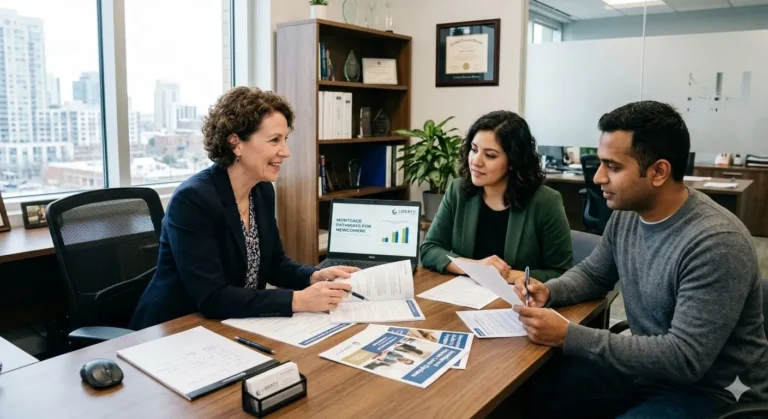
Credit building for immigrants can feel challenging at first because many newcomers arrive without a U.S. credit history. In the United States, credit scores influence everything from loan approvals to apartment rentals and even some employment checks.
The good news is that building credit is a structured process. With consistent financial habits and the right tools, immigrants can establish a strong credit profile over time. Understanding how the system works is the first step toward financial stability.
Why Credit Matters for Immigrants
Credit history plays a major role in financial life in the United States. Lenders and service providers often review credit reports to evaluate reliability.
A solid credit profile can help with:
- Qualifying for loans and mortgages
- Renting apartments or housing
- Obtaining credit cards
- Securing lower interest rates
- Setting up certain utility services
Even without an established history, immigrants can begin building credit soon after arriving.

Key Elements That Influence Credit Scores
Credit scores are calculated using several factors that reflect borrowing behavior.
| Credit Factor | What It Measures | Why It Matters |
|---|---|---|
| Payment History | Whether bills are paid on time | Largest impact on credit score |
| Credit Utilization | Percentage of available credit used | Lower usage is generally favorable |
| Credit History Length | How long accounts have been open | Longer history improves reliability |
| Credit Mix | Variety of credit types | Shows responsible borrowing |
| New Credit Applications | Frequency of new accounts | Too many applications may lower scores |
Maintaining consistent payment habits helps build a positive credit record.
Common Credit Building Options
Several financial tools help immigrants establish credit even without an existing score.
Secured Credit Cards
Secured credit cards require a deposit that becomes the credit limit. Responsible use and timely payments can gradually build credit history.
Credit Builder Loans
Some financial institutions offer small loans designed specifically for credit building. Payments are reported to credit bureaus, helping establish credit records.
Authorized User Status
Being added as an authorized user on a family member’s credit card can allow immigrants to benefit from the account’s payment history.
These methods provide practical starting points.
Pro Insight
Many immigrants begin building credit through community banks or credit unions. These institutions sometimes offer specialized programs designed for newcomers, including credit builder loans and secured credit products.

Local financial institutions can provide more flexible options.
Establishing Financial Foundations
Before building credit, several foundational steps can help create financial stability.
Important actions include:
- Opening a U.S. bank account
- Obtaining an Individual Taxpayer Identification Number (ITIN) if needed
- Setting up automatic bill payments
- Maintaining consistent income records
These steps create the financial framework needed for future credit activity.
Quick Tip
Always pay bills before the due date. Payment history has the largest impact on credit scores, and even a single late payment can affect your credit record.
Consistency builds credibility.
Example Credit Building Scenario
Consider a new immigrant who opens a secured credit card with a small deposit.
They use the card for routine purchases such as groceries and pay the balance in full each month. Over time, the credit card issuer reports these payments to credit bureaus.
After several months of consistent payments, the borrower may qualify for an unsecured credit card or other financial products.
Progress develops gradually through responsible use.
Challenges Immigrants May Face
While building credit is achievable, newcomers may encounter certain obstacles.
Common challenges include:
- Lack of initial credit history
- Limited access to traditional credit products
- Difficulty understanding credit scoring systems
- Language barriers when navigating financial institutions
Education and financial planning can help overcome these barriers.

Frequently Asked Questions
Can immigrants build credit without a Social Security Number?
Yes. Some financial institutions allow credit accounts using an Individual Taxpayer Identification Number (ITIN).
How long does it take to build credit?
Establishing a credit history can take several months, while building strong credit may take longer depending on payment behavior.
Do secured credit cards help build credit?
Yes. Many secured cards report payment activity to credit bureaus, helping establish credit history.
What is a good credit score?
Credit score ranges vary, but higher scores generally indicate stronger credit reliability.
Can paying bills improve credit?
Yes. Consistently paying credit obligations on time is one of the most important factors in building a positive credit record.
Conclusion
Credit building for immigrants is a gradual but achievable process. By opening credit-building accounts, maintaining consistent payment habits, and establishing financial stability through bank accounts and income records, newcomers can develop strong credit profiles in the United States.
With patience and responsible financial behavior, immigrants can access broader financial opportunities and strengthen long-term financial security.
https://www.consumerfinance.gov
https://www.ftc.gov
https://www.irs.gov
https://www.fdic.gov
This article is for general informational purposes only and does not provide legal, financial, medical, or professional advice. Policies, rates, and regulations may change over time.
About the Author