
In 2025, American businesses—especially small and midsize ones—are facing new insurance realities. Rising cyber risks, stricter state compliance rules, and climate-related damage claims have all made business insurance more vital than ever. This guide explores the latest coverage options, costs, and smart ways U.S. entrepreneurs can safeguard their operations.
Why Business Insurance Matters in 2025
Think of business insurance as a financial safety net. Whether you run a bakery in Austin or a digital startup in Seattle, unexpected events—lawsuits, fires, theft, or even data breaches—can derail your success. A strong insurance policy helps companies recover faster, stay compliant, and maintain customer trust.

Key Types of Business Insurance Every U.S. Owner Should Know
General Liability Insurance
Covers third-party injuries or property damage. It’s often required when signing leases or contracts.
Property Insurance
Protects buildings, equipment, and inventory from fire, vandalism, or natural disasters.
Workers’ Compensation
Required in most states, it covers medical costs and lost wages if employees get injured on the job.
Cyber Liability Insurance
With online attacks up 32% since 2023 (source: FTC.gov), this policy helps businesses recover from data breaches or cybercrime.
Business Interruption Insurance
Helps replace lost income during unexpected closures—think hurricanes or supply-chain disruptions.
Federal vs. State Regulations
While the federal government sets baseline rules through agencies like the Small Business Administration (SBA) and Department of Labor, each state defines its own requirements.
For instance:
- California mandates workers’ comp even for part-time staff.
- Texas allows certain small businesses to opt out, but many still purchase coverage voluntarily.
Always check your state’s insurance department before finalizing your policy.
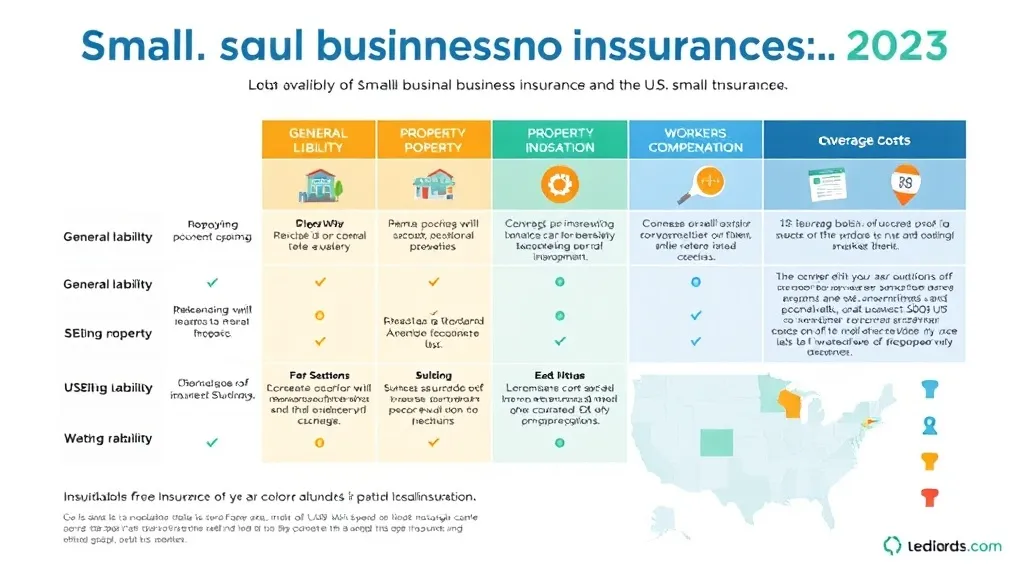
2025 Cost Snapshot: What Businesses Are Paying
According to census.gov and Insureon U.S. Data, the average U.S. small business now spends between $600 and $2,400 per year on core coverage. Premiums vary based on:
- Industry risk level
- Business size and payroll
- Location and claims history
- Deductible amount
Companies in tech and healthcare pay more due to data sensitivity and liability exposure.
Pro Insight
Insurance Advisor Daniel Ross, New York City:
“Many small firms underestimate cyber and liability coverage. One breach or lawsuit can cost hundreds of thousands of dollars. Bundled policies or Business Owner’s Policies (BOPs) can often reduce total premiums by 10–20%.”
Comparison Table: U.S. Business Insurance Options (2025)
| Feature | Benefit | Cost Range (Annual) | Notes |
|---|---|---|---|
| General Liability | Covers injuries/property damage | $400–$900 | Required by most landlords |
| Property Insurance | Protects physical assets | $600–$1,200 | May exclude flood damage |
| Workers’ Comp | Employee injury protection | $900–$2,000 | Mandatory in most states |
| Cyber Liability | Defends against cyberattacks | $700–$1,800 | Critical for online businesses |
| Business Interruption | Replaces lost income | $800–$2,500 | Especially useful in disaster-prone states |

Quick Tip
Consider bundling multiple policies under a single insurer. Many providers offer “Business Owner’s Packages” that combine liability, property, and cyber protection—often saving 15% compared to buying separately.
Read more: (Internal Link Placeholder)
Choosing the Right Insurance Partner
When comparing insurers, focus on:
- Financial strength – Check A.M. Best ratings.
- Claim response time – Ask about their average claim resolution period.
- Industry experience – Specialized insurers often provide better risk assessments.
- Customer reviews – Look for U.S.-based reviews on trustpilot.com or BBB.org.
External Authority Resources
- U.S. Small Business Administration – Insurance Basics
- Federal Trade Commission – Cyber Insurance Guidance
- Consumer Financial Protection Bureau – Small Business Resources
FAQs
What is the most common business insurance in the U.S.?
General liability insurance is the most common, protecting companies from third-party injury or property claims.
How much does business insurance cost for small U.S. companies?
On average, small businesses pay between $600 and $2,400 annually, depending on size, risk, and coverage level.
Is business insurance required by law in all states?
Not all policies are required. However, workers’ compensation is mandatory in most states except Texas.
Can freelancers or home-based businesses get insurance?
Yes, home-based and gig businesses can purchase affordable general liability or professional liability coverage.
What’s the best way to lower business insurance costs?
Bundle policies, raise deductibles slightly, maintain strong cybersecurity practices, and avoid frequent claims.
About the Author