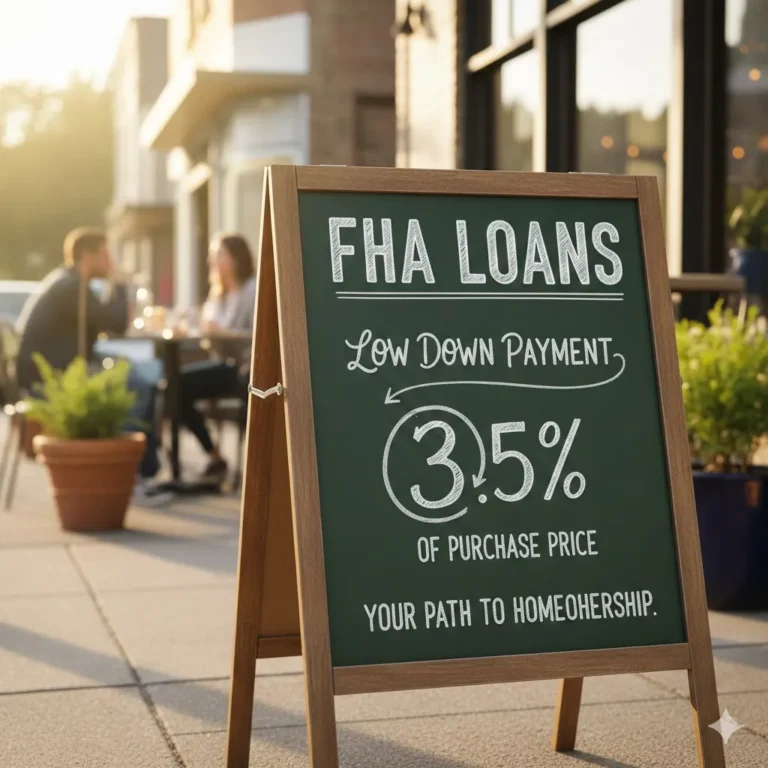
Buying a home in the United States in 2025 feels more competitive, more digital, and more financially complex than ever. With mortgage rates shifting, new federal lending guidelines, and rising housing demand across the country, securing the best U.S. mortgage is one of the most important financial decisions Americans will make. Whether you’re a first-time homebuyer, a growing family looking for more space, or a current homeowner considering refinancing, understanding today’s mortgage landscape empowers you to borrow smarter, save more, and build long-term stability.
For informational purposes only — not financial or legal advice.
A mortgage is more than a loan—it’s a decades-long partnership with a lender. The right mortgage can save you tens of thousands over the lifetime of your loan. The wrong one can strain your finances for years. Let’s break this down clearly so every American homebuyer feels confident about their next move.
Understanding the U.S. Mortgage Market in 2025
The mortgage landscape in 2025 is shaped by economic shifts, federal policy updates, and demand across key states. With inflation gradually cooling and consumer credit stabilizing, many buyers are returning to the market. Digital lenders, automated underwriting, and instant pre-approval tools have transformed how mortgages are approved.
A U.S. mortgage typically includes:
- Principal repayment
- Interest
- Mortgage insurance (if applicable)
- Property taxes
- Homeowners insurance
- Optional HOA dues
Your mortgage type, interest rate, loan term, lender fees, and creditworthiness all play major roles in shaping your borrowing cost.
Types of U.S. Mortgage Loans (2025 Breakdown)
Conventional Mortgage
Backed by private lenders.
Best for: borrowers with strong credit and solid income.
FHA Mortgage
Government-insured.
Best for: first-time buyers and those with moderate credit scores.
VA Mortgage
For active-duty military, veterans, and qualifying spouses.
Benefits: 0% down, no PMI, competitive rates.
USDA Mortgage
Designed for rural and certain suburban areas.
Benefits: 0% down, low fees.
Jumbo Loans
Loans exceeding federal conforming limits.
Best for high-value homes.
Fixed-Rate Mortgages
Reliable monthly payments over 15, 20, or 30 years.
Adjustable-Rate Mortgages (ARMs)
Lower initial rate that adjusts over time.
Ideal for short-term homeowners.
Mortgage Rates in 2025: What Buyers Should Know
Rates continue stabilizing as inflation cools. In 2025, national averages show:
- 30-year fixed: moderate, settling from highs
- 15-year fixed: lower rates, higher monthly payments
- ARMs: popular for buyers planning to sell or refinance within 5–7 years
Factors affecting your rate:
- Credit score
- Down payment amount
- Loan type
- Debt-to-income ratio
- Property location
- Market conditions
Quick Tip:
Even a 0.25% rate difference can save or cost you thousands over 30 years. Rate shopping is essential.
How to Qualify for the Best U.S. Mortgage Rates
Think of qualification like a financial checklist lenders evaluate:
1. Build Strong Credit
Top-tier rates usually require a score of:
- 740+ (excellent)
- 680–739 (good)
- 620–679 (fair; FHA-friendly)
2. Reduce Debt-to-Income Ratio (DTI)
Guidelines:
- Under 43% for conventional
- Up to 50% for FHA
3. Increase Your Down Payment
Benefits:
- Lower interest rate
- Less mortgage insurance
- Lower monthly payment
4. Prove Stable Income
Two years of consistent employment is ideal.
5. Get Pre-Approved Before House Hunting
This boosts your negotiating power and tells sellers you’re serious.
Pro Insight: Why Pre-Approval Matters More in 2025
Competition is rising in metro areas like Dallas, Phoenix, Tampa, Atlanta, and Nashville. Buyers with pre-approvals often beat higher offers because sellers trust their financing. Pre-approval also helps you lock in a rate early—and avoid unexpected increases during your home search.
Federal vs. State Mortgage Rules
| Feature | Federal Regulations | State Differences | Notes |
|---|---|---|---|
| Loan limits | Set nationally and regionally | High-cost states have higher caps | CA, NY, NJ, HI higher limits |
| Lending laws | TRID disclosures, fair lending | Additional state consumer laws | Strongest in CA & NY |
| Mortgage insurance | Required under 20% down | Rates vary by lender | FHA has fixed premiums |
| Property taxes | Not federal | Extremely variable | Affects affordability |
| Assistance programs | FHA/VA/USDA | State down-payment grants | Local programs available |
Comparison Table: U.S. Mortgage Options
| Feature | Conventional | FHA | VA | USDA |
|---|---|---|---|---|
| Minimum Down Payment | 3% | 3.5% | 0% | 0% |
| Credit Score Needed | 620+ | 580+ | Flexible | 640+ |
| Mortgage Insurance | Required <20% down | Required | None | Reduced |
| Best For | Strong credit buyers | First-time buyers | Veterans | Rural buyers |
| Notes | Best long-term savings | Easier qualification | Best overall terms | Area restrictions apply |
Frequently Asked Questions
What is the best type of mortgage for U.S. homebuyers?
It depends on credit, income, and location. Conventional loans offer strong long-term savings, FHA loans help first-time buyers, and VA/USDA loans offer excellent zero-down options for eligible borrowers.
How much down payment is needed to buy a home in the U.S.?
Anywhere from 0% to 20% depending on loan type. Conventional loans start at 3% down, FHA at 3.5%, and VA/USDA allow zero down for qualified buyers.
Are U.S. mortgage interest rates expected to rise or fall in 2025?
Rates are stabilizing but still vary based on economic conditions. Buyers benefit from comparing lenders and securing pre-approval early.
Should I choose a fixed-rate or adjustable-rate mortgage?
Choose fixed-rate for long-term homes. ARMs offer lower initial rates and are ideal for short-term homeowners or those planning to refinance.
How can I improve my chances of mortgage approval?
Strengthen your credit, reduce debt, maintain steady employment, save for a larger down payment, and get pre-approved before shopping.
External Authority Sources
https://www.consumerfinance.gov
https://www.usa.gov
https://www.census.gov
About the Author