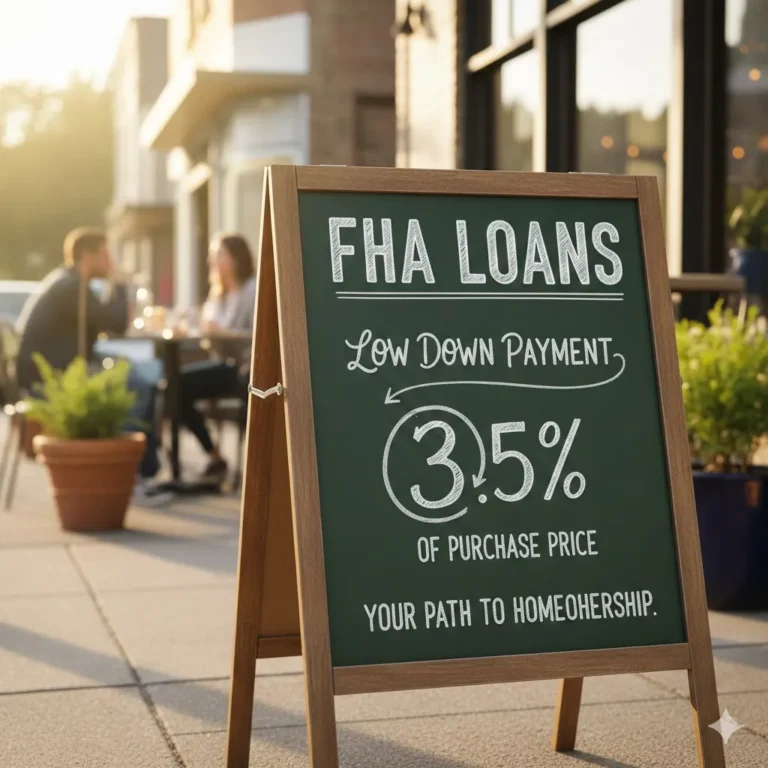
Buying a home in the United States is one of the biggest financial decisions most Americans ever make. With interest rates shifting, housing inventory tightening, and new federal lending rules in 2025, choosing the best U.S. home mortgage has never been more important. Whether you’re a first-time buyer, upgrading to a larger home, or refinancing an existing loan, understanding today’s mortgage landscape helps you secure a smarter deal and long-term financial stability.
For informational purposes only — not financial or legal advice.
A mortgage isn’t just a loan; it’s a long-term financial commitment that shapes your monthly budget, future savings, and even retirement planning. That’s why borrowers need clarity, strategy, and confidence before signing on the dotted line.
Understanding U.S. Home Mortgages in 2025
A home mortgage is a long-term loan used to purchase or refinance a property. The borrower repays the lender—usually a bank, credit union, or mortgage company—over 15 to 30 years. Mortgage terms, interest rates, and qualification rules can vary significantly across lenders and states.
In 2025, the U.S. mortgage market is shaped by:
- Moderating inflation
- Stabilizing interest rates
- Federal lending updates
- Down payment assistance programs
- Rising demand from millennials and Gen Z
- Increased digital underwriting & automation
Let’s break this down like a seasoned loan officer advising a first-time buyer: The better you understand your loan options, the more power you have to negotiate rates and reduce lifetime borrowing costs.

Types of U.S. Home Mortgages (2025 Overview)
Conventional Loans
Privately backed loans with competitive rates. Ideal for borrowers with strong credit and stable income.
FHA Loans
Government-insured loans with low down-payment requirements. Popular among first-time buyers and moderate-income families.
VA Loans
Available to U.S. military service members and veterans. Known for 0% down payment and no mortgage insurance.
USDA Loans
For eligible rural and suburban buyers. Offers 0% down and reduced fees.
Jumbo Mortgages
For homes exceeding standard loan limits. Requires higher credit scores and larger down payments.
Fixed-Rate Mortgages
Stable monthly payments for 15 or 30 years. Great for long-term budgeting.
Adjustable-Rate Mortgages (ARM)
Lower initial rate that adjusts after a fixed period. Useful for short-term homeowners.

Current Mortgage Trends & Rates in 2025
Rates vary by credit score, down payment, property location, and lender competitiveness. In 2025, national average trends include:
- 30-year fixed mortgages: stabilizing around mid-range levels
- 15-year fixed mortgages: lower rates but higher monthly payments
- ARMs: appealing for buyers planning to move within 5–7 years
Borrowers with excellent credit often enjoy significantly better rates.
Quick Tip:
A 20-point improvement in your credit score can lower your mortgage rate enough to save thousands across the life of the loan.
How to Qualify for the Best U.S. Home Mortgage Rates (2025 Guide)
1. Strengthen Your Credit Score
Higher scores = better rates. Aim for:
- 740+ for top-tier pricing
- 680–739 for competitive rates
- 620–679 for FHA/standard approvals
2. Lower Your Debt-to-Income Ratio (DTI)
Lenders prefer DTI below:
- 43% for conventional
- 50% for FHA loans
3. Save for a Down Payment
Better down payment = better rate:
- 3% minimum (conventional)
- 3.5% (FHA)
- 0% (VA & USDA)
4. Maintain Stable Employment
Lenders want at least 2 years of steady income.
5. Get Pre-Approved Early
This increases buying power and negotiation leverage.
Pro Insight: Why Rate Shopping Saves More Than You Think
Many buyers incorrectly assume all lenders offer similar rates. Not true.
The difference between the highest and lowest mortgage quotes can exceed 0.75%, translating into tens of thousands of dollars in lifetime savings. Borrowers who compare at least 3–5 lenders save the most—and those who work with mortgage brokers gain access to even wider networks of lenders competing for their loan.
Federal vs. State Mortgage Rules (What Buyers Need to Know)
| Feature | Federal Level | State Differences | Notes |
|---|---|---|---|
| Down-payment programs | Federally supported (FHA/VA/USDA) | State & city grants vary | NY, CA, TX have robust assistance |
| Mortgage disclosures | TRID federal rules | Uniform nationwide | Protects borrowers |
| Loan limits | Set nationally & regionally | Varies by county | High-cost areas higher |
| Property taxes | Not federal | State & local | Affects monthly payment |
| First-time buyer incentives | Federal programs | State-specific credits | Some states offer closing cost support |
Federal guidelines set the foundation, but state incentives can dramatically reduce upfront costs.
Comparison Table: U.S. Mortgage Loan Types (2025)
| Feature | Conventional Loan | FHA Loan | VA Loan | USDA Loan |
|---|---|---|---|---|
| Down Payment | 3%+ | 3.5% | 0% | 0% |
| Credit Score | 620+ | 580+ | Flexible | 640+ |
| Mortgage Insurance | Required <20% down | Required | None | Reduced |
| Ideal For | Strong credit buyers | First-time buyers | Veterans | Rural buyers |
| Notes | Best long-term | Easier approval | Best overall terms | Area restrictions apply |
Frequently Asked Questions
What is the best type of mortgage for first-time U.S. homebuyers?
Many first-time buyers choose FHA loans for their flexible credit requirements, while others prefer conventional loans for long-term savings. VA and USDA loans offer excellent benefits for those who qualify.
How much down payment do I need for a U.S. mortgage?
Down payments range from 0% to 20% depending on loan type. Conventional loans require at least 3%, while FHA requires 3.5%. VA and USDA allow qualified borrowers to put 0% down.
Are mortgage interest rates expected to change in 2025?
Rates continue stabilizing as inflation cools. However, rates vary daily by lender and borrower profile, so comparing lenders is essential.
Should I choose a fixed or adjustable mortgage?
Fixed-rate mortgages are best for long-term homeowners. Adjustable-rate mortgages (ARMs) can save money upfront but carry future rate uncertainty.
How do I improve my mortgage approval chances?
Boost your credit score, reduce debt, maintain steady income, increase your down payment, and get pre-approved before house hunting.
External Authority Sources
https://www.consumerfinance.gov
https://www.usa.gov
https://www.census.gov
About the Author