Becoming a homeowner in the United States is a milestone—especially for first-time buyers trying to navigate rising home prices, shifting mortgage rates, and complex lending rules. The good news? A first-time homebuyer loan in 2025 offers some of the most flexible, affordable, and accessible paths to homeownership Americans have ever had. With the right program, buyers can secure low down payments, competitive rates, and financial help that reduces upfront costs.
For informational purposes only — not financial or legal advice.
Whether you’re purchasing a starter home in the suburbs, a condo in a growing city, or a small home in a rural town, first-time buyer programs can make the process easier—and much more affordable.
Understanding First-Time Homebuyer Loans in 2025
A first-time homebuyer loan is a special mortgage product designed to help individuals purchasing their first home—or those who haven’t owned property in the past three years. These loans often include:
- Low or zero down payment
- Flexible credit score requirements
- Reduced mortgage insurance
- Lower interest rates
- Down payment assistance (DPA)
- Closing cost help
- Grants for certain buyers
In 2025, demand for these programs grows as younger buyers—especially millennials and Gen Z—enter the housing market in record numbers.
Types of First-Time Homebuyer Loans
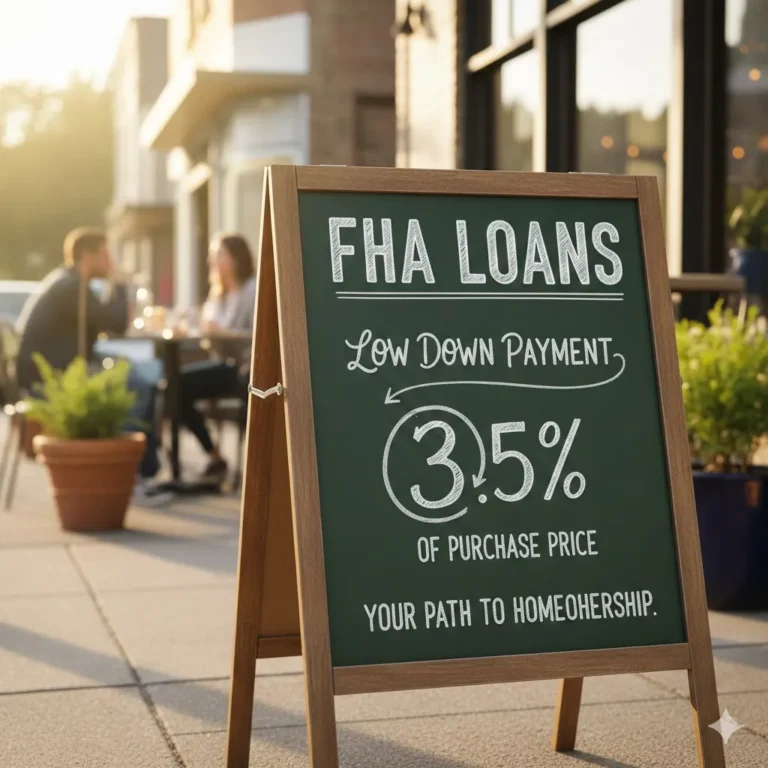
1. FHA Loan (3.5% Down)
Great for buyers with moderate credit scores.
- Minimum 580 credit score
- 3.5% down payment
- Flexible debt limits
2. Conventional 97 Loan (3% Down)
Designed for strong credit buyers wanting low down payment.
- 3% down
- Reduced PMI options
- Lower long-term cost than FHA
3. VA Loan (0% Down)
For U.S. military members, veterans, and eligible spouses.
- 0% down payment
- No mortgage insurance
- Ultra-competitive rates
4. USDA Loan (0% Down)
For eligible rural and suburban areas.
- 0% down
- Low fees
- Income and location limits
5. State First-Time Buyer Programs
Available nationwide with grants, DPA, and forgivable loans.
Examples include:
- California CalHFA
- Texas Home Sweet Texas
- Florida FHFC
- New York SONYMA
Benefits of First-Time Homebuyer Loans
1. Lower Down Payment Requirements
As low as 0%–3.5% depending on program.
2. Easier Approval Requirements
Flexible credit, higher DTI allowances, and simple documentation.
3. Access to Grants & Assistance
Thousands of dollars in free money through state programs.
4. Reduced Mortgage Insurance
Some programs offer discounted rates.
5. Lower Monthly Payments
Especially when paired with lower interest programs.
Down Payment Assistance (DPA) for First-Time Buyers
DPA programs are a game-changer for buyers who can afford monthly payments but struggle to save upfront.
Types of assistance:
- Grants: Free money, no repayment
- Forgivable loans: Waived after 5–10 years
- Deferred loans: No payments until you sell/refinance
- Matched savings programs: Dollar-for-dollar match
Average assistance in 2025: $5,000–$25,000
States leading DPA expansion:
- California
- Texas
- Georgia
- Colorado
- New York
How to Qualify for a First-Time Homebuyer Loan
1. Meet the “First-Time Buyer” Definition
Most programs define this as no homeownership in the past 3 years.
2. Maintain a Stable Income
Lenders prefer two years of consistent employment.
3. Improve Your Credit Score
General guidelines:
- 580 → FHA
- 620+ → Conventional
- 640+ → Most DPA programs
4. Keep Debt-to-Income Ratio (DTI) Low
Aim for:
- 43% conventional
- 50% FHA
5. Complete a Homebuyer Education Course
Many programs require a short online certification.
Pro Insight: Why First-Time Buyer Loans Are More Competitive in 2025
With housing affordability tightening, buyers seek programs that reduce upfront financial pressure. Lenders report that nearly 35% of all first-time buyers rely on FHA or DPA-backed loans in 2025. These programs offer a smoother path to ownership—and in bidding wars, a strong pre-approval letter from these programs can outperform cash buyers more often than expected.
Quick Tip
If you can save an extra 1% down, your loan options expand dramatically—especially when trying to avoid high-cost mortgage insurance.
Comparison Table: First-Time Buyer Loan Options (2025)
| Loan Type | Down Payment | Credit Requirement | Mortgage Insurance | Best For | Notes |
|---|---|---|---|---|---|
| FHA | 3.5% | 580+ | Yes (MIP) | Moderate credit buyers | Easy qualification |
| Conventional 97 | 3% | 620+ | PMI | Strong credit buyers | Lower long-term cost |
| VA | 0% | Varies | None | Military/veterans | Best rates available |
| USDA | 0% | 640+ | Reduced | Rural buyers | Income/area limits |
| State DPA | Varies | 620+ | Varies | First-time buyers | Grants + loans available |
Frequently Asked Questions
What is a first-time homebuyer loan?
It’s a mortgage program designed for people purchasing their first home or those who haven’t owned a property in three years, offering low down payments and easier qualifications.
How much down payment is required for a first-time homebuyer loan?
Depending on the loan type, the range is typically 0%–3.5%.
Are there grants available for first-time buyers?
Yes—many states offer grants, forgivable loans, and closing cost assistance.
Can I use a first-time buyer loan on a condo or townhouse?
Yes, as long as the property meets program and lender requirements.
Do I need perfect credit to qualify?
No. Many programs accept credit scores as low as 580–620.
External Authority Sources
https://www.consumerfinance.gov
https://www.usa.gov
https://www.census.gov
About the Author