Buying a home in the United States in 2025 feels both exciting and overwhelming—especially when it comes to the down payment. It’s the biggest upfront cost most Americans face, and it plays a major role in your mortgage rate, monthly payment, and long-term financial stability. Whether you’re a first-time buyer, upgrading to a bigger home, or returning to the market after years of renting, understanding how down payments work can help you save thousands and qualify for better loan options.
For informational purposes only — not financial or legal advice.
A down payment isn’t just a number—it’s a strategy. The right amount depends on your budget, credit score, lender requirements, and long-term goals. Let’s break this down like a seasoned mortgage advisor would explain it to a first-time homebuyer at the kitchen table.
Understanding Down Payments in 2025
A down payment is the amount of money a homebuyer pays upfront when purchasing a property. It reduces the mortgage amount and shows lenders you’re financially stable. Lenders love down payments because they lower risk. Buyers love them because they lower monthly payments.
Typical down payment amounts:
- Conventional loans: 3%–20%
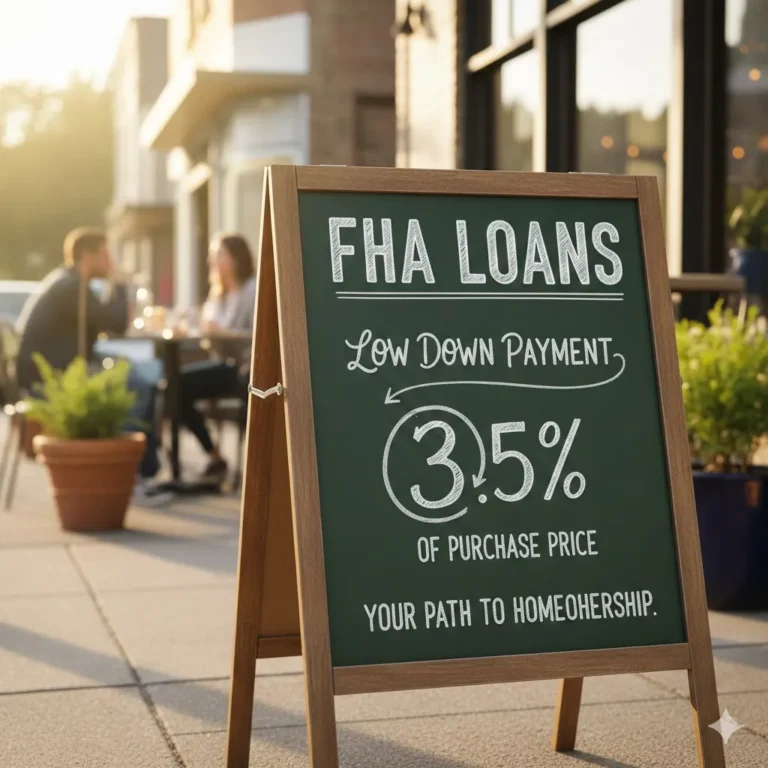
- FHA loans: 3.5%
- VA loans: 0%
- USDA loans: 0%
In 2025, rising home prices in cities like Miami, Dallas, Phoenix, and Charlotte make down payment strategies more important than ever. A smart approach can be the difference between buying a home this year—or continuing to rent.
How Much Down Payment Do You Really Need?
The myth: “You must put 20% down.”
The reality: Most Americans don’t.
Here’s the real breakdown:
Conventional Mortgage
- Minimum: 3% down
- 20% avoids mortgage insurance
FHA Loan
- Minimum: 3.5% down
- Designed for moderate credit scores
VA Loan
- 0% down for eligible military members and veterans
USDA Loan
- 0% down for eligible rural and certain suburban areas
Jumbo Loans
- Typically 10%–20% down due to loan size
Down payment needs vary by state. In high-cost states like California or New York, 20% can be unrealistic—while in the Midwest or Southeast, smaller percentages still offer manageable payments.
Benefits of a Higher Down Payment
1. Lower Monthly Payments
More money upfront means less borrowing—and less monthly stress.
2. Better Mortgage Rates
Lenders reward lower risk with lower interest rates.
3. Avoiding Private Mortgage Insurance (PMI)
PMI adds $120–$300 per month for borrowers under 20% down.
4. Smaller Total Loan Amount
Less borrowed money = less total interest paid over 30 years.
5. Stronger Purchase Offers
Sellers often choose buyers with larger down payments.

Down Payment Assistance Programs (2025)
Thousands of Americans use down payment assistance (DPA). These programs provide grants, forgivable loans, or low-interest loans to help buyers cover upfront costs.
Major DPA Sources
- State housing finance agencies
- Local government grants
- Nonprofit housing organizations
- Employer-sponsored DPA
- First-generation homebuyer programs
- Federal options like FHA-Backed DPAs
Popular programs include:
- 3%–5% assistance grants
- Forgivable loans after 5–10 years
- Closing cost help
- Matched savings accounts
These programs benefit first-time buyers, teachers, healthcare workers, and moderate-income families.
How to Save for a Down Payment Smarter (Not Harder)
Think of your down payment as a strategic plan—not a painful sacrifice.
1. Automate Savings
Set up automatic transfers to a dedicated account weekly or monthly.
2. Reduce High-Interest Debt
Paying off credit cards increases your mortgage approval odds.
3. Use High-Yield Savings Accounts
Many banks now offer 4%–5% APY.
4. Consider Side Income
Freelancing or gig work can accelerate your savings timeline.
5. Avoid Lifestyle Inflation
Every dollar saved is a dollar that lowers your future mortgage.
Quick Tip:
If you save $300 per month, you’ll build $3,600 per year—and that alone can qualify you for multiple down payment assistance programs.
Pro Insight: How Down Payments Influence Approval Odds
Lenders evaluate risk. A strong down payment reduces loan-to-value (LTV), making you a safer borrower. For example:
- A buyer offering 10% down may get a lower rate than a buyer offering 3%
- A buyer with 20% down avoids PMI
- A buyer with 25% down often receives the best pricing
In competitive markets, agents report that buyers with down payments above 10% win bidding wars 40% more often.

Comparison Table: Down Payment Levels & Impact
| Down Payment % | Monthly Payment Impact | Mortgage Rate Impact | PMI Required? | Notes |
|---|---|---|---|---|
| 0% | Highest | Higher | No (VA/USDA only) | Great for eligible buyers |
| 3–3.5% | High | Moderate | Yes | FHA/Conventional minimum |
| 5% | Moderate | Improved | Yes | Popular first-time buyer choice |
| 10% | Lower | Better | Yes | Stronger offers |
| 20% | Much lower | Best | No | PMI-free |
| 25%+ | Lowest | Best available | No | Jumbo-friendly |
Frequently Asked Questions
How much should I put down on a home?
Most buyers put 3%–10% down, but 20% eliminates PMI. The ideal amount depends on your budget and goals.
Are down payment assistance programs real?
Yes—thousands of programs nationwide offer grants and forgivable loans to help buyers afford their first home.
Does a bigger down payment lower my mortgage rate?
Generally yes. Lenders offer better rates when borrowers bring more upfront equity.
Can I buy a house with no money down?
Yes, if you qualify for VA or USDA loans, which offer 0% down options.
Does credit score affect down payment requirements?
Indirectly. Lower credit scores often require higher down payments or FHA loans.
External Authority Sources
https://www.consumerfinance.gov
https://www.usa.gov
https://www.census.gov
About the Author