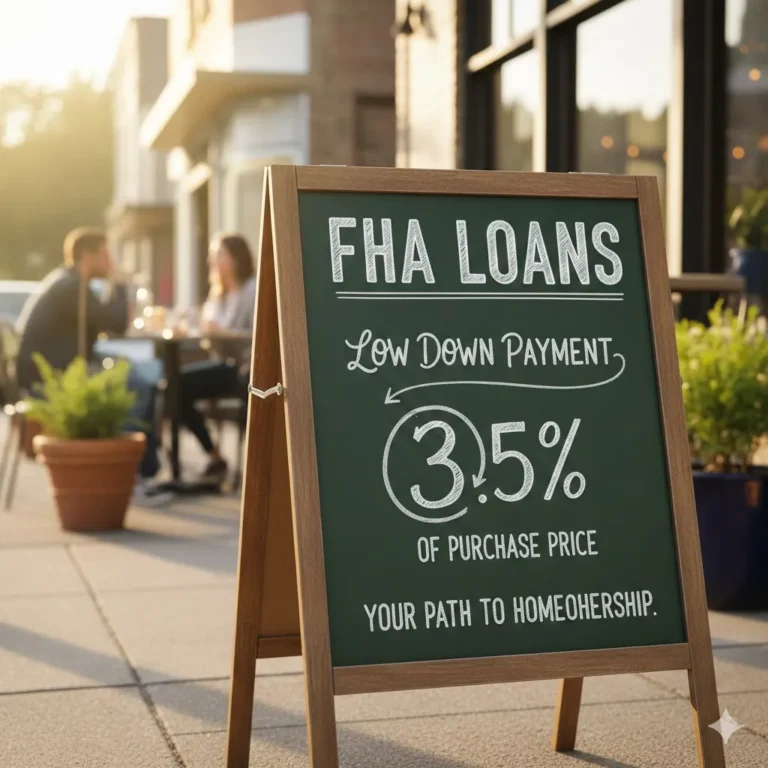
A practical guide to affordable housing loans in the U.S., how they work, eligibility basics, and why they matter for buyers in 2026.
Affordable housing loans help many Americans overcome one of the biggest barriers to buying a home: accessing financing that doesn’t strain long-term budgets. With rising home prices and tightening credit standards, understanding which loans are available—and how they differ—is critical for anyone planning to buy a house.
In 2026, affordable housing loans remain a key part of responsible homeownership planning. They’re not magic solutions, but they can make the dream of owning a home realistic and financially sound.
What an Affordable Housing Loan Really Is
An affordable housing loan is a mortgage designed to reduce financial barriers for qualified buyers. These loans often offer:
- Lower down payment requirements
- Competitive interest rates
- Flexible credit criteria
- Possible access to down payment and closing cost assistance
Affordable housing loans are not one-size-fits-all. They’re usually offered through federal programs, state housing agencies, or through partnerships with lenders committed to expanding access to homeownership.

These programs aim to help buyers with modest incomes, but eligibility criteria vary widely depending on location and loan type.
Types of Affordable Housing Loans in the USA
Federal Housing Administration (FHA) Loans
FHA loans are among the most well-known affordable lending options. They allow lower minimum down payments and are often accessible to buyers with limited credit history.
U.S. Department of Agriculture (USDA) Loans
USDA loans focus on rural homebuyers and offer 100% financing in eligible areas. For families who meet income and location requirements, USDA loans can be powerful tools.
Veterans Affairs (VA) Loans
VA loans provide eligible veterans, active-duty service members, and certain military spouses with highly favorable terms, often including no down payment requirements.
State and Local Housing Agency Loans
Many state housing finance agencies (HFAs) offer affordable mortgage options that may include down payment assistance or rate reductions for qualifying buyers.
How Affordable Loans Compare to Traditional Mortgages
| Feature | Affordable Housing Loans | Traditional Mortgage Loans |
|---|---|---|
| Down payment requirement | Often lower or no down payment | Typically higher |
| Credit score flexibility | More flexible | Often stricter |
| Interest rates | Competitive or subsidized | Market-driven |
| Eligibility requirements | Based on income, location, service | Less targeted |
| Support services | Sometimes include counseling or grants | Typically none |
This overview shows why affordable programs can be better fits for certain buyers, especially first-timers or buyers in high-cost areas.
Who Typically Qualifies for Affordable Housing Loans
Eligibility varies by program, but common criteria include:
- Income limits based on area median income (AMI)
- First-time homebuyer status (for some programs)
- Occupying the home as a primary residence
- Meeting credit and debt-to-income guidelines
For example, USDA loans are targeted to rural areas and have both location and income limits. FHA loans focus more on credit accessibility with government backing.
Working with a housing counselor or lender familiar with affordable options can clarify which loans you may qualify for early in the process.
Disclaimer
This content is for informational purposes only and does not constitute financial, legal, or mortgage advice. Loan terms and availability vary by program, lender, and location.
Pro Insight
Affordable housing loans often come with requirements for owner occupancy, meaning the home must be your primary residence. These requirements protect program integrity and help focus resources on genuine buyers.
Quick Tip
Before applying, check your credit report and debt-to-income ratio—small improvements here can widen the number of loan options available to you.
Common Missteps When Exploring Affordable Loans
A frequent oversight is assuming that income eligibility alone guarantees approval. Lenders still evaluate creditworthiness, income stability, and debt obligations.
Another common misstep is ignoring additional costs, such as property taxes, insurance, and homeowners association (HOA) fees, which affect monthly payments.
FAQs About Affordable Housing Loans
Are these loans only for first-time buyers?
Not always. Some programs require first-time status, but many do not.
Do these loans always require mortgage insurance?
Programs like FHA often require mortgage insurance, which protects the lender.
Can I use multiple assistance programs together?
Sometimes—depending on program rules and lender policies.
Is homebuyer counseling required?
Some affordable loan programs include or require counseling.
Do interest rates change over time?
It depends on whether you choose a fixed or adjustable rate mortgage.
Conclusion
Affordable housing loans in the U.S. provide structured pathways to homeownership for many buyers who might otherwise be priced out of the market. By understanding the differences between program types, eligibility rules, and what lenders look for, prospective buyers can move forward with confidence.
In 2026, where housing costs remain a central financial concern, knowing the right loan options can turn planning into progress.
U.S. Trusted Resources
- U.S. Department of Housing and Urban Development (HUD) – Home Loans Overview
https://www.hud.gov - Federal Housing Administration (FHA)
https://www.hud.gov/federal_housing_administration - U.S. Department of Agriculture (USDA) – Rural Development
https://www.rd.usda.gov - U.S. Department of Veterans Affairs (VA) – Home Loan Programs
https://www.va.gov
About the Author