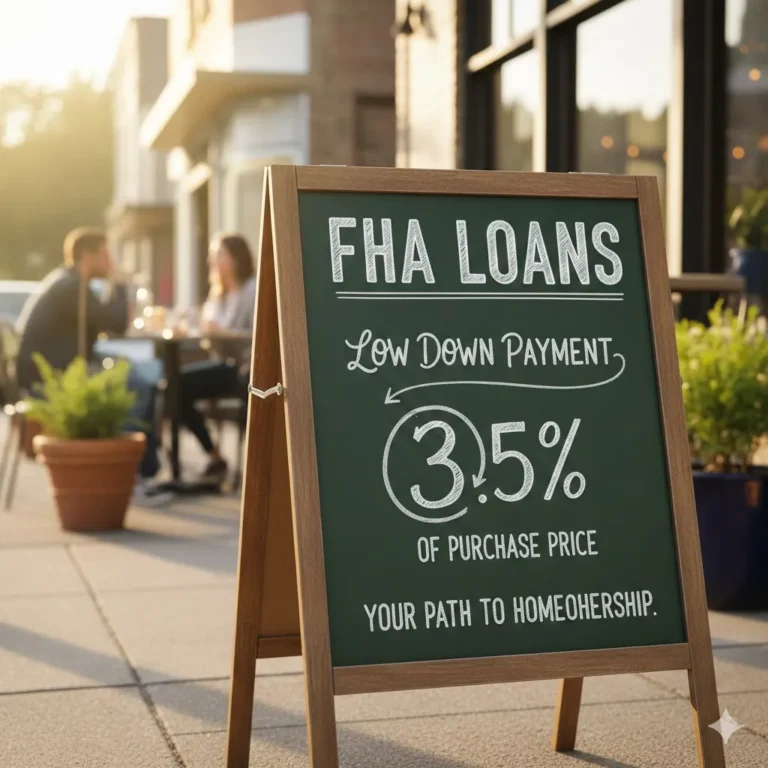
Mortgage rates play a central role in determining how affordable homeownership is in the United States. Among the various loan types available, the 30 year fixed mortgage remains the most widely used option because it offers predictable monthly payments over a long period.
In a 30 year fixed mortgage, the interest rate remains unchanged for the entire loan term. This stability allows homeowners to plan their long-term finances without worrying about rate adjustments. However, the exact rate offered can vary depending on economic conditions, lender policies, and the borrower’s financial profile.
Understanding how these rates work—and what influences them—can help prospective homebuyers better evaluate mortgage options.
What a 30 Year Fixed Mortgage Is

A 30 year fixed mortgage is a home loan with an interest rate that stays constant for 30 years. This means the borrower’s monthly principal and interest payments remain predictable throughout the life of the loan.
Key characteristics include:
- A repayment period of 30 years
- A fixed interest rate that does not change
- Lower monthly payments compared with shorter-term mortgages
- Higher total interest paid over the life of the loan
Because the loan term is long, payments are spread over many years. This usually makes monthly payments more affordable compared with 15-year mortgages.
For many households, this flexibility is the main reason the 30 year loan remains the standard mortgage product in the U.S.
Current 30 Year Mortgage Rates in the United States
Recent data shows that U.S. mortgage rates remain significantly higher than the historic lows seen earlier in the decade.
| Mortgage Type | Average Rate (2026) |
|---|---|
| 30 Year Fixed | ~6.1% |
| 15 Year Fixed | ~5.5% |
| 20 Year Fixed | ~6.1% |
As of March 2026, the average 30 year fixed mortgage rate is around 6.11%, according to Freddie Mac data.
Rates fluctuate weekly depending on economic conditions, bond markets, and inflation expectations. Some lenders report national averages between about 6.1% and 6.3% for 30-year loans during early 2026.
Although these levels are higher than pandemic-era rates, they remain below the long-term historical average of roughly 7.7% since 1971.
Why Mortgage Rates Change

Mortgage rates are influenced by a mix of economic and financial factors. Lenders adjust rates frequently in response to changing market conditions.
Major factors include:
Inflation trends
Higher inflation often pushes interest rates upward as lenders demand greater returns.
10-year Treasury yields
Mortgage rates tend to move in the same direction as long-term U.S. Treasury yields because mortgage-backed securities compete with bonds.
Federal Reserve policy
While the Fed does not set mortgage rates directly, its interest-rate decisions influence broader financial markets.
Housing market demand
Strong demand for housing and mortgage loans can also affect pricing.
For borrowers, these factors mean mortgage rates may shift daily depending on economic news and financial market activity.
30 Year vs 15 Year Mortgage
Homebuyers often compare 30 year mortgages with shorter loan terms before choosing a mortgage structure.
| Feature | 30 Year Mortgage | 15 Year Mortgage |
|---|---|---|
| Monthly payment | Lower | Higher |
| Interest rate | Slightly higher | Lower |
| Total interest paid | Higher | Lower |
| Loan payoff time | 30 years | 15 years |
A 30 year loan typically provides lower monthly payments, which can make homeownership more accessible. However, the longer timeline means borrowers generally pay more total interest over time.
A 15 year mortgage offers faster equity building but requires larger monthly payments.
Pro Insight
Mortgage professionals often suggest evaluating monthly affordability first rather than focusing solely on the interest rate. Even a slightly lower rate may not provide meaningful savings if the loan structure does not align with long-term financial stability.
Many homeowners choose the 30 year loan for flexibility, occasionally making additional payments to reduce the total interest over time.
How Borrowers Can Get Better Rates
Several personal financial factors influence the mortgage rate offered by lenders.
Borrowers may qualify for better rates by improving:
- Credit score
- Debt-to-income ratio
- Down payment size
- Loan-to-value ratio
Shopping around among lenders is also common practice, as different institutions may offer different terms for similar borrowers.
Quick Tip
Before locking a mortgage rate, compare multiple lender quotes within a short time frame. Mortgage offers can vary between lenders even when market averages remain similar.

Frequently Asked Questions
What is the current 30 year mortgage rate in the USA?
As of early 2026, the average 30 year fixed mortgage rate is roughly around 6.1%, though rates vary by lender and borrower qualifications.
Why are mortgage rates higher than in 2021?
Mortgage rates increased due to inflation, Federal Reserve policy tightening, and rising Treasury yields following the extremely low rates seen during the pandemic period.
Can mortgage rates change after closing?
Not with a fixed-rate mortgage. Once the loan closes, the interest rate remains the same for the entire 30 year term.
Do all borrowers receive the same mortgage rate?
No. Individual factors such as credit score, down payment, loan size, and property type can influence the rate offered.
Is a 30 year mortgage the best option for most buyers?
It depends on financial goals. The 30 year loan offers lower monthly payments, while shorter terms may reduce total interest costs.
Conclusion
The 30 year fixed mortgage remains the most common home loan in the United States because it provides predictable payments and long-term stability. Current rates in early 2026 are generally around the low-6% range, reflecting broader economic conditions and financial market trends.
Although mortgage rates fluctuate over time, understanding the factors that influence them can help homebuyers make informed decisions. Comparing lenders, improving credit profiles, and evaluating long-term affordability are often key steps when navigating the mortgage process.
Trusted U.S. Resources
https://www.hud.gov
https://www.consumerfinance.gov
https://www.freddiemac.com
https://www.usa.gov
This article is for general informational purposes only and does not provide legal, financial, medical, or professional advice. Policies, rates, and regulations may change over time.
About the Author